
What Families Often Regret When Buying a Headstone

Key Takeaways Navigating the process of memorializing a loved one can be overwhelming, but understanding common pitfalls helps ensure a meaningful and lasting tribute. Here are the five most critical…
Key Takeaways
Navigating the process of memorializing a loved one can be overwhelming, but understanding common pitfalls helps ensure a meaningful and lasting tribute. Here are the five most critical areas to focus on when selecting a headstone:
- Always consult cemetery regulations before placing an order to avoid potential site rejection.
- Select durable materials that factor in your specific local climate and weather conditions.
- Prioritize professional installation over cost-saving measures to prevent future tilting or sinking issues.
- Take time to review designs and inscriptions thoroughly to avoid emotional or aesthetic regret.
- Research the full price structure, accounting for hidden fees like delivery and perpetual care.
Overlooking cemetery rules and regulations
Many families begin their search for a memorial with a specific style or size in mind, only to discover later that their desired choice conflicts with site mandates. Every cemetery maintains unique requirements regarding the size, shape, and even the base material allowed on their grounds to ensure a cohesive look. Proactively reviewing these guidelines is one of the most effective ways to prevent unnecessary stress during an already difficult time.
Checking size and material restrictions
Before you browse designs, you must request the official rulebook from the cemetery management staff. Some locations restrict markers to specific granite colors or prohibit upright monuments entirely, favoring flat markers for ease of maintenance. Failing to double-check these policies, as noted in the cemetery regulations guide, is a frequent error that leads to expensive returns.
Understanding foundation and installation specifications
Beyond the physical stone, your choice must account for how it will be supported beneath the soil. Cemeteries often dictate the exact type of concrete foundation required for a monument to remain stable for decades. Ignoring these cemetery policies can lead to the facility refusing to install the stone until a compliant, often costly, secondary foundation is poured.
Verifying permit approval timelines before ordering
Most facilities require a formal application process before they will allow a new marker on their property. This timeframe can stretch for several weeks, especially if your design requires special review by a board. It is wise to secure this authorization before finalizing your purchase, as rushing can trap you with a product that cannot be placed for months.
Choosing the wrong material for long-term durability
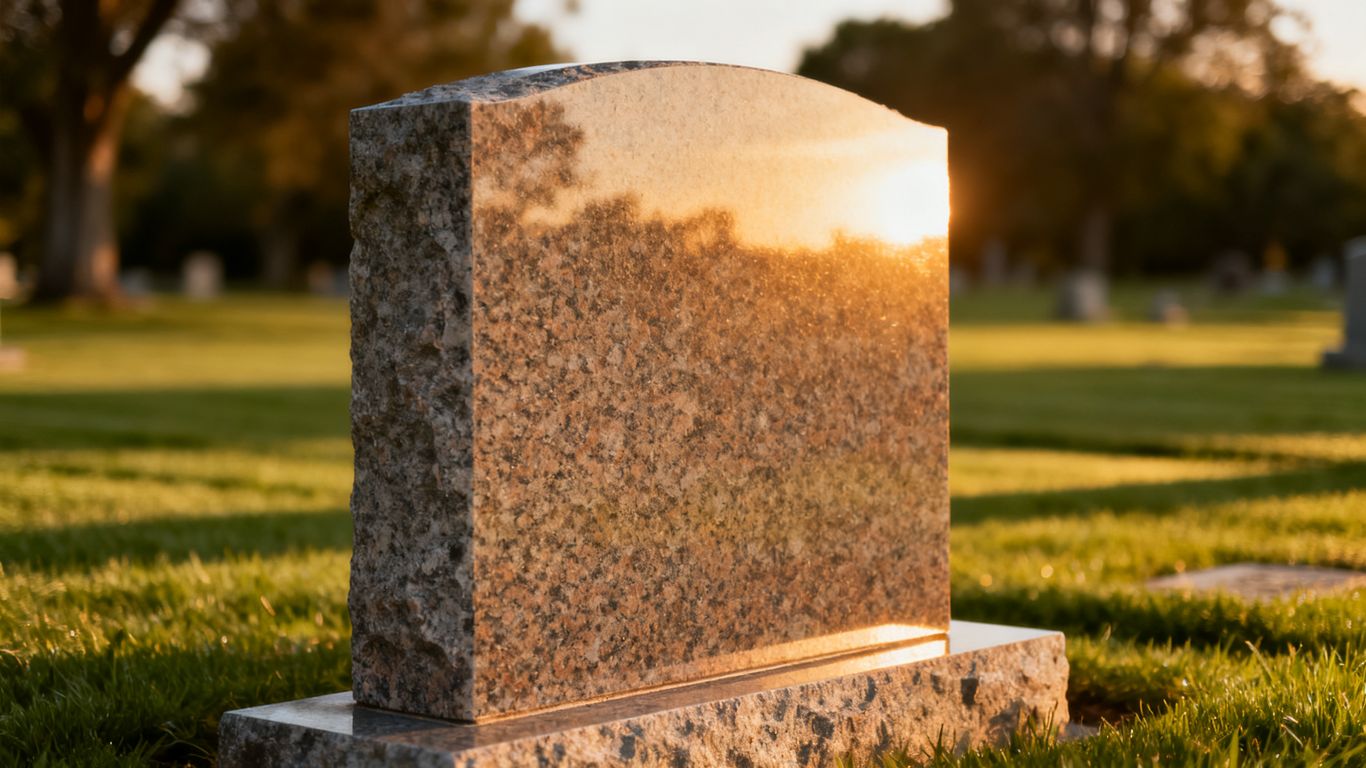
Selecting a stone for a monument involves more than aesthetics; it also means choosing a material suited to long-term exposure. Acid rain, humidity, and temperature changes can affect a stone’s appearance over time. A qualified monument specialist can help families compare how different materials perform in the local climate.
Distinguishing between different grades of granite
Not all stones are created equal, and understanding the density and composition of your chosen granite is a vital step. High-quality granite resists staining and cracking far better than cheaper, more porous alternatives. When narrowing down your selection, it is helpful to look at the technical attributes of the stone to ensure it maintains its polish. Ensuring the longevity of your tribute is essential, and choosing the right stone is a wise investment for future generations who will visit the site.
Accounting for local weather and climate impact on stone
If you live in an area prone to harsh winters with frequent freeze-thaw cycles, porosity becomes your greatest adversary. Water that seeps into tiny cracks can freeze and expand, eventually fracturing the stone. It is crucial to consider how the regional climate will affect the material over the long term to prevent premature weathering or structural failure.
Assessing the maintenance burden of polished versus frosted finishes
Different surface treatments require varying degrees of cleaning to keep the marker looking its best. A polished finish often makes wiping away debris simpler, but it can show water spots and environmental deposits more readily than a frosted or matte look. Consider your ability to perform routine care as part of the initial decision-making process.
Ignoring the importance of local professional installation
Securing a high-quality monument is only half the battle; ensuring it is placed securely in the ground is equally vital for its longevity. Many believe they can handle logistics alone to save money, but the professional installation process involves precision engineering that the average consumer often lacks. Poor base work frequently leads to stones that sink, lean, or tilt unevenly over just a few short seasons.
Risks associated with shipping markers to third-party installers
Transporting and placing a heavy stone requires clear responsibility at every stage. Before ordering, confirm who is responsible during shipping, delivery, and installation, and how damage claims or disputes will be handled.
Benefits of working with established local monument companies
Local monument providers may be familiar with cemetery requirements and site conditions in their area. Before ordering, confirm who will coordinate delivery, installation, and cemetery approvals so each responsibility is clear.
Why poor foundation work leads to sinking or tilting markers
If the ground is not properly compacted or the foundation is not level, the weight of the stone will inevitably shift it over time. Below is a breakdown of why professional installation is the standard for long-term stability:
| Installation Factor | Professional Impact | Potential Risk of DIY |
|---|---|---|
| Foundation Depth | Ensures deep, frost-proof base | Shallow beds often heave |
| Soil Compaction | Prevents uneven settling | Soft spots lead to tilting |
| Leveling Method | Precision laser calibration | Manual errors cause leaning |
Using this systematic approach to foundation, you ensure the stone remains a permanent landmark. Professional crews also perform ongoing checks to ensure the marker stays properly aligned regardless of shift in the landscape, a detail often missed in generic third-party arrangements.
Making hasty design choices that lack permanence
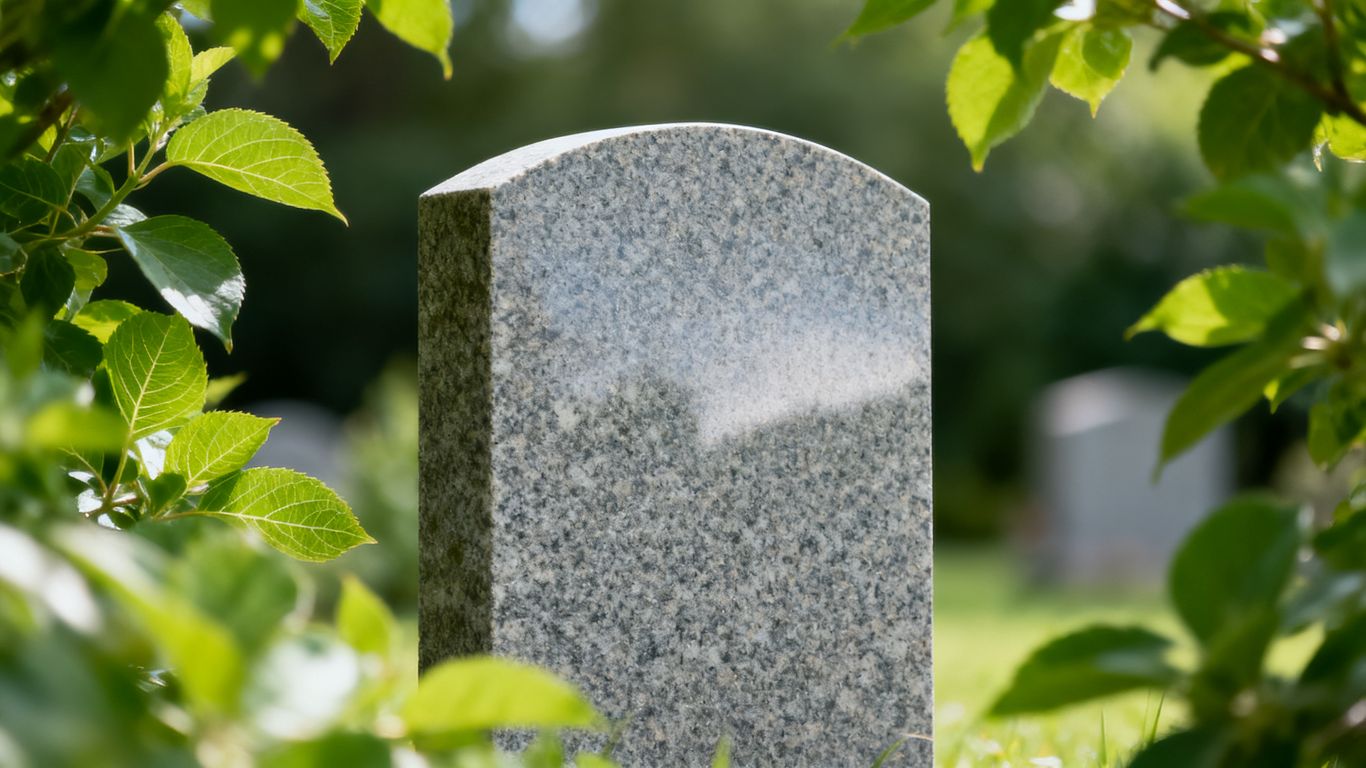
When choosing an inscription for a loved one, it is easy to become overwhelmed by the vast array of creative possibilities. Many families face common dilemmas when finalizing the visual details on the monument face. To help you navigate these choices, consider these primary design factors:
- Select fonts that offer high contrast to maintain readability against the natural texture of the granite.
- Prioritize deep, hand-carved lettering over superficial etching for better resistance to wear.
- Leave adequate space for potential family additions or future commemorative dates to avoid crowding.
Avoiding common pitfalls in font size and readability
Choosing a font that seems elegant on paper may appear illegible once it is actually cut into the stone. Designers recommend opting for bold, classic typefaces that maintain structure even when subjected to centuries of rain and sediment buildup. Making the information clear today ensures that visitors years from now can still read your tribute with ease.
Evaluating the longevity of laser-etched portraits versus carvings
While laser etching offers a high-definition look, it does not possess the same depth as a traditional sandblasted carving. Over time, the environment can soften the edges of thinner etchings, particularly on textured stones. For a monument that needs to endure indefinitely, opting for deeper sandblasted techniques is generally a more resilient approach.
Ensuring enough space remains for future supplemental inscriptions
It is common for families to forget that additional names or dates may need to be added to the monument after it has been placed. Planning ahead allows the layout to remain balanced even if another inscription is required years later. Always verify the remaining surface area before you settle on a finalized carving design.
Miscalculating the full cost of the headstone
Financial planning for a memorial often includes more than the cost of the granite itself. Transport, setting, permits, or cemetery fees may not appear in an initial price. Ask for a clear, itemized quote that identifies what is included and what may be billed separately.
Factoring in hidden delivery and installation fees
Shipping a multi-hundred-pound marker is a major logistical undertaking that can easily be underestimated. Many online retailers separate these services, leading to surprise charges at the time of final delivery. Ensuring that all shipping and installation costs are included in your initial contract is essential for maintaining your personal budget.
Comparing costs between funeral home packages and independent dealers
Directly purchasing from independent artisanal manufacturers can often result in higher quality products for a similar investment. Funeral homes may aggregate their fees into large, complex packages that make it difficult to identify the true cost of each component. Taking the extra step to investigate your options ensures you are paying for the quality of the stone rather than overhead costs associated with a third-party intermediary.
Budgeting for perpetual care fees required by the cemetery
Many public and private burial grounds require an endowment or periodic fee specifically for the upkeep of the grounds where your marker is placed. These costs are separate from the price of the headstone and are often required by the cemetery management as a condition of installation. Knowing these numbers up front prevents the surprise of a mandatory bill arriving after the marker is already set.
Rushing the purchase process during a time of grief
Making significant life decisions while grieving is notoriously difficult, yet this is exactly when the pressure to commit to a memorial is highest. It is important to remember that there is no strictly defined timeline for ordering, and taking the necessary time to reflect can save you from significant regret later.
Why taking time to reflect prevents post-purchase regret
When we rush, we are more likely to approve designs or styles that do not quite capture the essence of our loved one. Stepping back for a week or two allows the initial weight of the decision to subside, providing space for a choice that stems from quiet contemplation rather than a scramble to check a box.
The benefits of consulting with family members before finalizing designs
Involving family members early in the process ensures that the tribute is meaningful to those who will visit the site most often. Different perspectives often bring up essential details that you might have otherwise overlooked during the stress of planning. This collective approach helps foster a sense of shared responsibility and can result in a more thoughtful, nuanced memorial.
Avoiding decision fatigue in high-pressure sales environments
Some sales environments create a false sense of urgency that can trick you into agreeing to products that do not suit your specific requirements. By conducting your research independently or with a trusted, community-focused partner, you can maintain control over your timeline. Focus on finding a balance that ensures you are happy with the memorial while avoiding the exhaustion that comes from being pushed into a premature decision.
Conclusion
Choosing a headstone is a profound act of love that honors a legacy for years to come. By slowing down, researching your cemetery’s requirements, and choosing quality materials, you can create a lasting tribute that avoids the common pitfalls of impulsive decision-making. Working with experts focused on dignity and transparency ensures that the final result remains a beautiful, resilient reflection of your loved one’s story.
Frequently Asked Questions
What is the best material for a long-lasting headstone?
Granite remains the industry standard for durability due to its density and natural resistance to weathering, making it the most recommended choice for permanent outdoor memorials.
Can I design my own headstone inscription from home?
Yes, many designers encourage you to draft your preferred phrasing at home, which allows you more time to proofread for errors and verify the emotional tone before you commit to the final engraving.
How long does a typical headstone installation take?
Once a permit is approved and the stone is ready, the physical installation at the site is usually a quick process provided that the foundation has been properly prepared and permitted in advance.
Do cemeteries have the right to reject my headstone design?
Cemeteries maintain strict bylaws regarding site uniformity, and they do have the legal right to refuse any monument that does not adhere to their published size, color, or material restrictions.
Why do some headstones tilt shortly after installation?
Tilting usually results from an unstable foundation or poor soil compaction during the install, which is why working with experienced professional installers is vital to keep the monument level.
Is it more expensive to buy a custom headstone than a catalog one?
Customization adds unique value, though many independent builders provide bespoke options at competitive prices by eliminating the complex logistical markups often associated with traditional funeral home packages.
How often should I clean the monument?
Routine cleaning with water and a soft brush is all that is typically required, though usage of harsh chemicals should be avoided to preserve the finish against long-term discoloration.