
Flat Grave Markers vs Upright Monuments: Full Guide

Key Takeaways Choosing a memorial is a deeply personal decision that balances aesthetic preferences, regional cemetery policies, and specific budgetary goals for your family. Cemetery bylaws act as the primary…

Key Takeaways
Choosing a memorial is a deeply personal decision that balances aesthetic preferences, regional cemetery policies, and specific budgetary goals for your family.
- Cemetery bylaws act as the primary filter for determining whether flush markers or upright monuments are permitted on your plot.
- Flat grave markers provide a streamlined, uniform aesthetic that often simplifies groundskeeping efforts for staff.
- Upright monuments offer a traditional, architectural presence that allows for larger inscriptions and more complex iconography.
- Material selection significantly influences both the initial manufacturing price and the long-term maintenance required for the stone.
- Personalized support during the selection process ensures that the tribute honors your loved one’s story with dignity.
Understanding flat grave markers
Flat grave markers sit directly flush with the ground, creating a subtle and cohesive visual flow across a cemetery section. These pieces often serve as the standard requirement in many modern memorial parks because they allow lawn mowers to pass over the surface without obstruction. Families frequently seek out custom flat markers to provide a simple yet elegant identifier for a final resting place. By choosing these markers, which create a tranquil landscape, families ensure that attention remains on the surrounding natural space.
Design and visibility features
Although these markers lie level with the earth, they offer significant room for personalized design elements. Most designs incorporate standard details like full legal names, birth and death dates, and short, meaningful epitaphs. Depending on the size, artisans may include laser-etched portraits or religious symbols that stand out against the polished stone.
Common materials and finishes
Granite is commonly used for memorials and can accommodate detailed carving. Bronze plaques may also be mounted on a granite base to create contrast between the metal and stone. Ask which finishes are available and how the selected materials should be maintained outdoors.
Pros and cons of low-profile placement
Low-profile markers offer a simple appearance and sit close to the surrounding landscape. Because they are near ground level, grass clippings or leaves may need to be cleared periodically to keep the lettering visible. When comparing materials, ask how the selected stone and finish should be maintained over time.
Analyzing upright monuments

Upright monuments serve as the quintessential memorial, standing vertically to provide a clear and prominent focal point for family visits. These structures typically consist of a vertical die piece supported by a solid base, often resting on a concrete foundation for stability. As you consider flat grave markers vs upright monuments, you will notice that the physical height of an upright monument makes it easier to locate within a large site. This style allows for elaborate shapes, such as serpentine or oval tops, that reflect a unique personal journey through life.
Traditional appeal and architectural presence
An upright stone creates a lasting architectural statement that visually connects the living with the departed. The added vertical dimension allows the monument to serve as a monument not just to a single person, but to a family’s collective history. This presence brings a sense of structural gravity to a plot, turning a simple patch of earth into a significant space for quiet reflection.
Customization and inscription possibilities
With more vertical surface area, these monuments support larger font sizes, intricate relief carvings, and specialized carvings. Families often integrate motifs, from floral arrangements to intricate landscapes, that wrap across the face of the stone.
Considerations for dedicated monument sections
Before finalizing your choice, check if your preferred plot is located in a section specifically designated for upright, vertical monuments. Always ensure the stone proportions align with the regulations established for the specific row or block.
Cost factors for flat vs upright headstones
Navigating the financial aspects of purchasing a memorial requires understanding the layers of labor and materials involved. The total cost reflects the complexity of the stone composition and the labor required for specialized finishing techniques.
Manufacturing and material expenses
Costs are primarily dictated by the quantity of high-grade granite and the intricacy of the memorial design. Simple slabs consume less time in the crafting stage, while ornate upright monuments require significant hand-polishing and detailing by skilled stone cutters. This creates a spectrum where simple flush markers remain the most accessible starting point for many families.
| Memorial Type | Material Density | Typical Complexity | Installation Difficulty |
|---|---|---|---|
| Granite Flush | High | Low | Simple |
| Standard Upright | High | Moderate | Advanced |
| Custom Statue | Very High | High | Complex |
Selecting your materials with this balance in mind helps you stay within your budget while maintaining the quality you desire for a long-lasting memorial.
Installation services and site preparation
Beyond the stone itself, the cost of installation incorporates site excavation, concrete foundation pouring, and the logistical process of transporting heavy materials. Properly prepared ground is essential to prevent settling or leaning over time, especially for vertical structures.
Long-term maintenance and repair costs
Upright stones may eventually require re-leveling or professional cleaning, particularly if they are exposed to acidic rain or heavy tree debris. A well-placed marker, regardless of type, requires periodic seasonal maintenance to remain in pristine condition.
Cemetery regulations and site restrictions
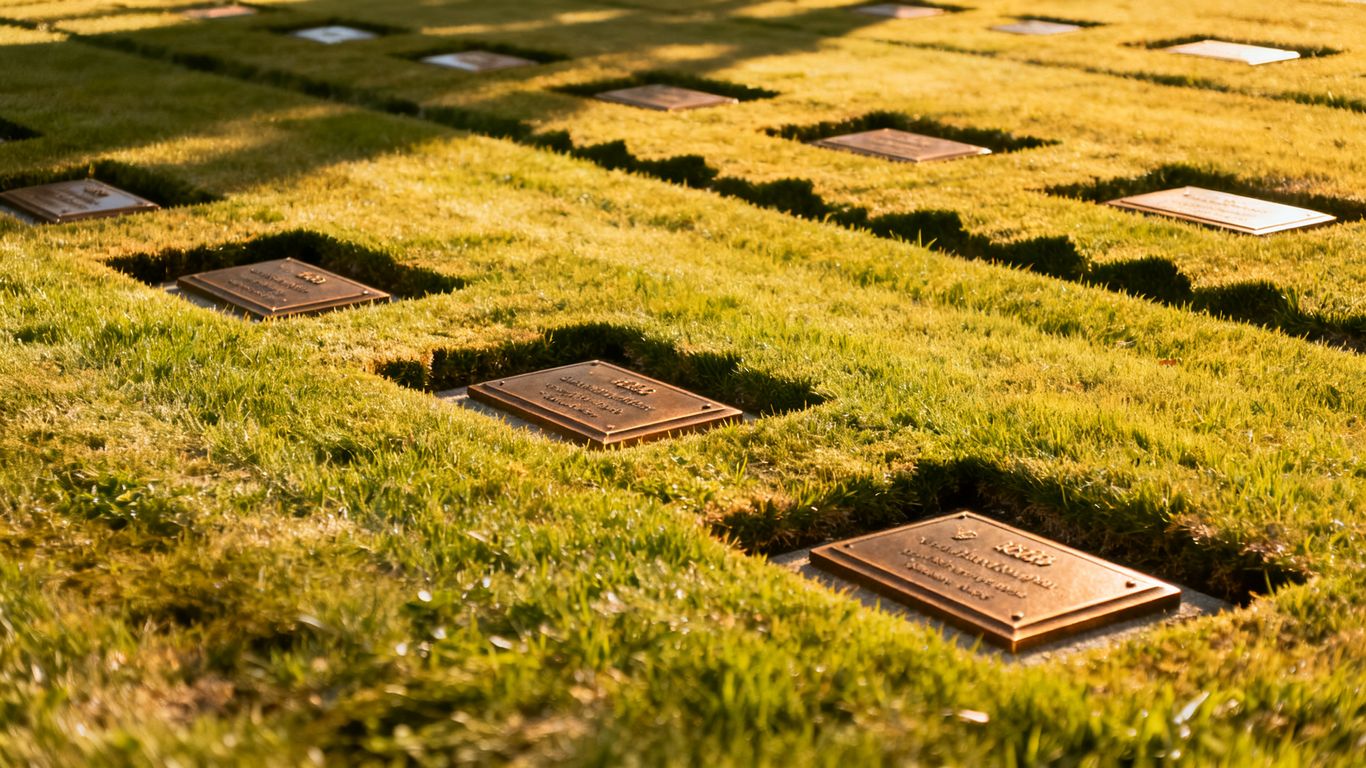
Cemetery policies may specify the marker types, sizes, and materials permitted for a particular plot. Before ordering, confirm those requirements directly with the cemetery.
Reviewing cemetery bylaws and permit requirements
Most cemeteries require a permit for any headstone installation, which verifies that the monument meets their structural and aesthetic standards. This process ensures that the memorial is compatible with the existing site infrastructure and does not interfere with burial operations or maintenance equipment.
Restrictions on dimensions and materials
Certain plots may have strict height limits or mandate the use of bronze over granite to match the aesthetic of the surrounding markers. These restrictions are established to preserve the historical or visual integrity of the specific cemetery section.
Impact of plot location on monument type
Plot location can affect the monument sizes or styles a cemetery permits. Before choosing a design, ask the cemetery office which requirements apply to the specific plot.
Maintenance and longevity comparison
Routine care can help manage dirt accumulation and environmental wear. Before cleaning, confirm which products and methods are appropriate for the memorial’s materials and current condition.
Durability of granite and bronze in various climates
Granite is highly resistant to freezing and thawing cycles, making it a reliable choice for diverse regional climates. Bronze, while prone to oxidation that creates a protective patina, remains an exceptionally enduring option that stands the test of time.
Ease of cleaning and vegetation control
Lawn-level markers often require manual weeding around the edges to prevent encroachment, whereas upright monuments might only need an occasional rinse. Maintaining the area around your tribute ensures that the inscription remains legible.
- Clean the surface annually with mild soap and clear water.
- Apply a soft brush to remove dust from deep carvings.
- Use professional restoration services for deep staining or cracks.
- Monitor the foundation for signs of shifting or movement.
These practices will help extend the life of your selected memorial.
Managing exposure to environmental elements
Wind, acid rain, and UV exposure slowly weather even the hardest stones. Placing your monument in a protected area or choosing materials with natural resistance can help mitigate these effects, ensuring the message stays sharp as the years pass.
Choosing the right tribute for your needs
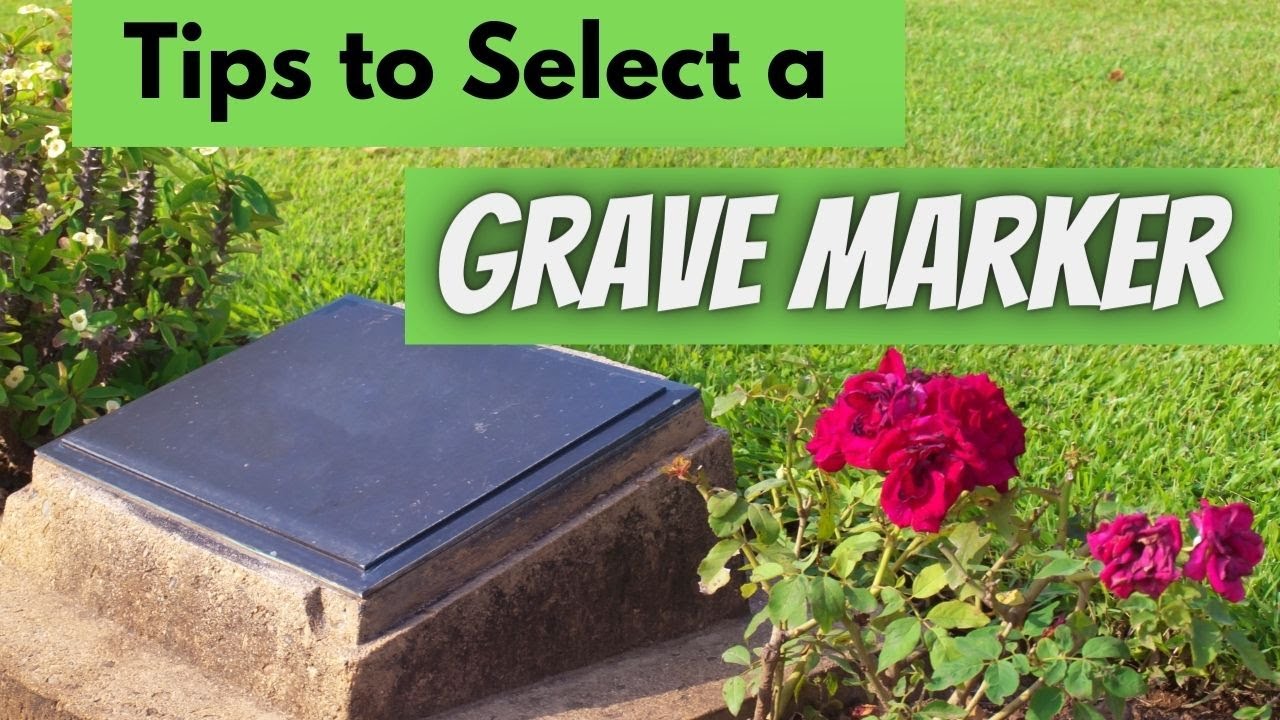
Choosing a memorial involves balancing personal preferences with cemetery requirements. Whether you prefer a modest marker or a tall monument, choose a design that complies with the cemetery’s guidelines and reflects the family’s preferences.
Balancing personal preference with budget constraints
It is possible to honor a life meaningfully while working within a set budget. Ask providers which material and design options fit your budget and preferences.
Coordinating with existing family memorials
Many families take comfort in creating a matching design for an existing family plot to maintain a sense of harmony. Whether you are adding a new companion marker or a unique statue, coordinating with the established aesthetic of the plot is important for family legacy planning.
Working with professional monument providers
Partnering with a professional team ensures that every logistical detail, from permits to professional installation, is handled with care and accuracy. This removes the burden of administrative tasks, allowing you to focus on the emotional aspects of the tribute.
Conclusion
Selecting a memorial is a quiet act of love that honors a legacy while providing comfort to those who visit. By carefully assessing your needs, understanding cemetery regulations, and choosing the right monument style, you can create a lasting tribute that tells a meaningful story.
Frequently Asked Questions
Can I upgrade a flat marker to an upright monument later?
Usually, no. If the cemetery section is designated for flat markers, they will not permit the addition of a standing upright monument later, as it would violate the section’s zoning.
Do granite headstones require sealing?
Granite is a naturally dense and non-porous stone, so it does not typically require chemical sealants. Proper cleaning is usually enough to maintain its appearance for decades.
What is the advantage of bronze over granite?
Bronze provides sharp detail and a distinct aesthetic appeal that many find more subtle than granite. it is also a highly durable material that develops a protective oxidized patina over time.
Is foundation work usually calculated into the price?
Yes, responsible monument providers will include the installation and foundation costs in their initial quote to ensure there are no surprise fees during the burial process.
How often should a headstone be cleaned?
An annual cleaning is generally sufficient for most climate conditions, though markers in areas prone to high moisture may benefit from a visual inspection every six months.
Can I add a photograph to my monument?
Yes, many modern memorial techniques allow for high-quality, durable porcelain or laser-etched photos to be added to both flat markers and upright monuments.
How long does the entire monument creation process take?
From the initial consultation to final installation, the process typically takes several months, as it involves design approval, material sourcing, intricate carving, and cemetery permit scheduling.