

Cemetery Monument Inventory Planning: A Guide for Monument Dealers

Plan monument inventory with less risk. Learn what to stock, display, or special order, how cemetery rules shape your mix, and use a dealer checklist.
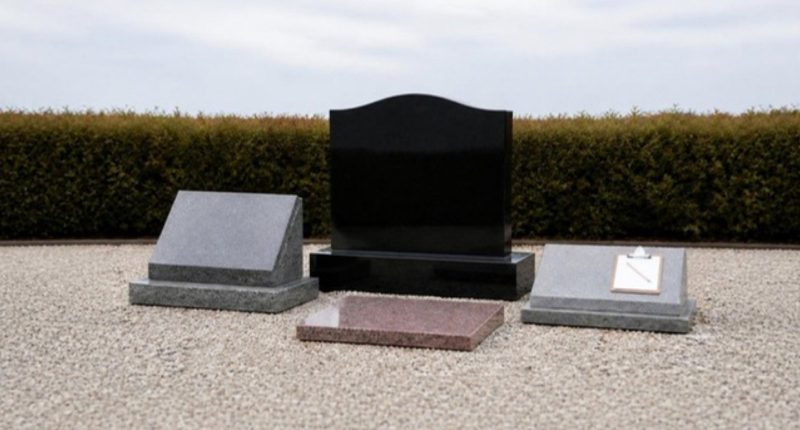
Monument inventory planning comes down to one decision made many times: for each product you sell, will you keep it in stock, show it as a display sample, special order it, or have it made to order? Most dealers do not need to stock everything they sell. Two mistakes are worth avoiding from the start: buying granite before checking which cemeteries will accept it, and tying up more cash in the yard than your sales can release.
This guide is for monument retailers and dealers. It covers the four ways a memorial can reach your customer, how cemetery rules and your own sales history should shape your assortment, what inventory costs to hold, and how to track and reorder it. A checklist near the end pulls the steps together. It is general guidance, not any one supplier’s terms.
Four Ways a Monument Reaches Your Customer
Before deciding what to buy, sort your product range into four groups. Each one carries a different mix of cost, risk, and speed.
Stocked inventory
Finished or blank pieces you own and hold. Stock shortens the wait for a family and lets them see the actual stone. It also ties up cash, takes space, and can sit unsold if you misjudge demand.
Display samples
A display piece exists to help families choose a shape, color, finish, or lettering style. You may sell it eventually, but its job is to sell other orders, so count it separately from sellable stock.
Special-order products
Standard products you do not hold and order from a supplier after a customer commits. This keeps cash free and suits formats, sizes, or colors you sell only occasionally. The trade-off is time, which depends on your supplier’s availability and schedule.
Made-to-order work
Custom shapes, unusual dimensions, and family estate monuments are produced for a specific order and should not be stocked. What you need instead is a clear process for collecting specifications, approving drawings, and confirming the order in writing.
A format you sell every month to cemeteries you know well may deserve stock. A format you sell twice a year probably belongs in the special-order group, with a sample or a photograph to show.
Start With the Cemeteries You Serve
A monument meant for a cemetery is only sellable if that cemetery will accept it. Rules differ from one cemetery to the next, and often from one section to another inside the same cemetery. A section may permit only flat markers, limit upright height, require a specific base size, or restrict materials and colors. Some cemeteries control who may set a memorial or pour a foundation. There is no universal standard, so the only reliable source is the cemetery itself: its published rules, or written confirmation from its office.
One federal program shows how exact a written specification can be. The U.S. Department of Veterans Affairs lists the government-furnished headstones and markers it provides for eligible veterans by type, material, and size: the upright granite or marble headstone is 42 inches long, 13 inches wide, and 4 inches thick, and the flat granite or marble marker is 24 inches long, 12 inches wide, and 4 inches thick. Those figures describe that program’s own markers only. They are not a standard for cemeteries in general. Private, municipal, and religious cemeteries set their own rules, which is why a size that works in one may be refused in another.
Build a short reference file for every cemetery you sell into regularly. For each cemetery, and for each section where the rules differ, record:
- Formats permitted (upright, flat, bevel, slant, or other)
- Maximum and minimum dimensions for the die and the base
- Material, color, and finish restrictions, if any
- Foundation requirements and who is allowed to pour them
- Who may deliver and set the memorial, and any insurance or permit requirements
- Approval steps, such as a drawing the cemetery must sign before production
- The date you last confirmed the rules, and with whom
Rules change, so date every entry and recheck it before a stock order that depends on it. If you cannot confirm that a format is accepted where you sell, do not stock it.
Read Your Own Sales History Before You Buy
Your past orders are the most reliable forecast you have. Pull at least the last two or three years and sort each sale by format, granite color, finish, overall size, and cemetery. Patterns usually appear quickly: a few combinations repeat, and many others appear only once.
Look for three things. The repeaters, meaning combinations families choose again and again, are your candidates for stock. The occasional sellers suit special ordering. The third is timing: whether orders cluster around certain months. In some regions, cemeteries limit foundation or setting work in winter, which shifts when families buy and when you need product on hand. Ask the cemeteries you serve how their schedules work instead of assuming.
If you are a new dealer without history, start small. Lean on display samples and special orders for the first year, record every inquiry as well as every sale, and let real demand tell you what to stock.
Planning the Assortment by Format
Each memorial format raises its own inventory question. The notes below are about demand and risk, not full specifications.
- Upright headstones: a common choice where cemeteries allow them, and among the heavier, more space-hungry items to hold. Check whether your cemeteries share a size range before stocking more than a few.
- Companion monuments: wider pieces for two people. Demand depends on how your cemeteries lay out double lots. Because sizes vary with lot width, it can make sense to show one or two and order the rest.
- Flat grave markers: required in some cemeteries and sections. They are compact and easier to store. Where a cemetery fixes the marker size, the same piece can be sold again and again, which can make it reasonable to stock.
- Bevel markers: a low marker with a slightly raised back. Check whether your cemeteries treat a bevel as a flat marker or as a separate category, because that decides where it can be placed.
- Slant headstones: a middle option between a flat marker and an upright. Demand is local. Confirm base requirements with each cemetery before holding stock.
- Cremation memorials: a varied category that can include small markers, memorials with urn compartments, and benches. Requirements depend on the cemetery’s cremation section. If churches or cemeteries in your area are adding niche walls, our columbarium planning guide explains the specifications involved.
- Benches, vases, and other accessories: often sold alongside a memorial. A sample or two may be enough.
No dealer needs every format in every color. To see how one supplier describes its range, review Interglo Stone’s overview of wholesale headstone formats and completion stages for monument dealers. With any supplier, ask which items are available for your order, and do not assume every listed item is held in stock.
Narrow the Colors, Finishes, and Sizes
Assortment risk grows fastest in the details. Three formats in four colors, two finishes, and three sizes is already 72 combinations. Holding even one of each would be a large commitment.
Use your sales history to choose a short list: the two or three granite colors your customers pick most, the finish they expect, and the sizes your cemeteries accept. Treat everything else as special order. Keep in mind that granite is a natural material. Color and grain vary between quarry blocks, so a display sample shows what a stone is like, not exactly what the next piece will look like. Say so to customers, and ask your supplier how closely a new piece can be matched to an existing one.
Blank or partly finished stock gives you some flexibility, because the lettering and design are added after the family decides. If you letter in-house or send work out, make sure the stone and finish you stock suit the method you use. Our comparison of sandblasting and laser etching for monument lettering explains why the method matters for different granites.
Budget for What Inventory Really Costs
The purchase price is only part of the cost of stock. Inventory also carries holding costs for as long as it sits.
- Working capital: money spent on granite cannot be used for payroll, equipment, or marketing until the piece sells.
- Space: every stocked piece occupies yard or showroom area that has a cost, even if you own the property.
- Handling: granite needs equipment and trained people to move safely. Each move adds labor and a chance of chipping.
- Insurance and security: more stock means more value to insure and protect.
- Dead stock: pieces that do not sell because the size, color, or style has fallen out of local demand or no longer fits cemetery rules.
Granite does not spoil, which can make overstocking feel safe. It is not. As the small-business mentoring organization SCORE notes in its overview of common inventory management problems, items that cannot be sold and rising storage costs both drain cash, and inventory decisions should be part of cash flow planning.
A practical approach is to set a ceiling. Decide the maximum amount of cash you are willing to have tied up in stock at one time, based on your own cash flow, and plan purchases inside it. Review slow pieces at least once a year. If something has not sold and you cannot name a cemetery where it fits, consider discounting it or using it as a display piece.
Keep One Specification Record per Item
Reorders go wrong when the description lives in someone’s memory. Every stocked, displayed, or regularly ordered product should have a written record that anyone in your business could use to reorder it. Include:
- Product style and format
- Dimensions of the die and base, with length, width, and height or thickness clearly labeled
- Granite color, using the supplier’s name for it, and the finish on each surface
- Base requirements, including whether the base is included or ordered separately
- Lettering and customization needs: blank, partly finished, or completed
- Delivery and handling notes: weight if known, crating, and the equipment needed to unload
- The cemeteries and sections where this item is accepted
- Supplier, last quoted price, and the date of that quote
The same details form the core of a pricing inquiry. Our guide to what to include in a wholesale quote request covers each field in more depth.
Reordering and Working With Your Supplier
A reorder plan needs two numbers for each stocked item: the minimum quantity you want on hand, and how long replacement takes. The minimum comes from how quickly the item sells. The replacement time has to come from your supplier, and it changes with material availability, workload, and freight. Ask for current timing on each order. Do not plan around a figure you were given last year.
When stock falls to the minimum, reorder. Revisit the minimums yearly, because demand and cemetery rules both shift.
Several habits make supplier coordination easier:
- Consolidate where it makes sense. Combining several items into one order can simplify freight and paperwork. Ask your supplier whether quantity or combined shipping affects pricing, and compare any saving against the cost of holding extra stock.
- Send complete specifications every time, even for repeat items. Reference your own record and ask the supplier to confirm it back to you.
- Confirm availability, specifications, pricing, and fulfillment arrangements directly with your supplier before promising anything to a customer.
- Ask about minimum order requirements, how changes and cancellations are handled, and how damage in transit is resolved before you place a stock order.
- Keep written confirmations for every order.
If you are comparing sources for stock, our checklist for evaluating a wholesale granite monument supplier lists the questions to ask about material, communication, freight, and documentation.
Track What You Have, What Is Coming, and What Is Promised
You do not need specialized software to track monument inventory. A spreadsheet works if it is kept current and one person is responsible for it. Give every piece an identifying number, tag the stone, and record its status. Five categories are usually enough:
- Available stock: owned, on site, and not promised to anyone
- Display samples: on site, used for selling, flagged as sellable or not
- On order: purchased from a supplier but not yet received, with the confirmed details
- Committed: assigned to a customer order, whether the stone is on site or still on order
- Reorder needed: items at or below the minimum you set
The committed category prevents the most painful mistake, which is selling the same stone twice. Mark a piece as committed the moment a customer signs. Reconcile the list against the yard on a regular schedule and after any large delivery.
Common Monument Inventory Mistakes
- Ordering stock without checking cemetery specifications, then finding the size or format is not accepted where you sell.
- Stocking too many colors and sizes, so cash is spread across pieces that each sell rarely.
- Keeping inconsistent product records, so reorders arrive with the wrong dimensions, finish, or base.
- Counting display samples and committed stones as available stock.
- Committing more working capital to inventory than the business can carry through a slow season.
- Quoting customers a delivery date before confirming timing with the supplier.
Monument Inventory Planning Checklist for Dealers
Know your market
- ☐ List every cemetery you sell into regularly.
- ☐ Record each cemetery’s permitted formats, size limits, material rules, foundation requirements, and setting rules, by section where they differ.
- ☐ Date each record and note who confirmed it.
- ☐ Sort the last two to three years of sales by format, color, finish, size, and cemetery.
Decide what to hold
- ☐ Assign each product to stocked, display sample, special order, or made to order.
- ☐ Limit stocked colors, finishes, and sizes to the combinations that repeat in your sales.
- ☐ Confirm each stocked item is accepted in at least one cemetery where you sell regularly.
- ☐ Set a maximum amount of cash to hold in inventory at one time.
Document and order
- ☐ Create a written specification record for each stocked, displayed, or regularly ordered item.
- ☐ Set a minimum on-hand quantity for each stocked item.
- ☐ Ask your supplier for current availability, pricing, timing, minimum order requirements, and freight arrangements before ordering.
- ☐ Get written confirmation of specifications for every order.
Track and review
- ☐ Tag every piece and record its status: available, display, on order, committed, or reorder needed.
- ☐ Mark stones as committed as soon as a customer signs.
- ☐ Reconcile the list against the yard on a regular schedule.
- ☐ Review slow pieces, minimum quantities, and cemetery records at least once a year.
Where Interglo Stone Fits
Interglo Stone is based in Elberton, Georgia, and has been in business since 1998. We supply wholesale granite for memorial businesses, including monument dealers and retailers. If you are planning a stock order or pricing a single memorial, send us the specifications and we will review them with you. Product availability, pricing, minimum order requirements, timing, and shipping options depend on the order, so please confirm them with us for your specific request.
Frequently Asked Questions
How much monument inventory should a dealer keep in stock?
There is no standard figure. The right amount depends on how many memorials you sell, how consistent your cemeteries’ requirements are, how long your supplier needs to replace an item, and how much cash you can tie up. A cautious starting point is to hold a small number of proven sellers, show samples of other options, and special order the rest.
Should a new monument dealer buy stock or rely on special orders?
A new dealer usually has no sales history to guide purchases, so heavy stock is a gamble. Starting with display samples and special orders limits the risk. Once a year or more of orders shows which formats, colors, and sizes repeat, you can stock those with more confidence.
How do cemetery rules affect what a dealer should stock?
They decide which formats, sizes, and sometimes materials can be installed in each section, so they set the outer limit of what is worth stocking. Where the cemeteries you serve have different rules, stock the items accepted by more than one of them and keep the rest as special order.
How often should a monument dealer review inventory?
Check counts regularly and after any large delivery, so the record matches the yard. Review the bigger questions, including slow pieces, minimum quantities, and cemetery requirements, at least once a year or whenever a cemetery you serve changes its rules.
Plan Your Next Order
When your inventory plan points to a stock order or a special order, gather your specification records and contact Interglo Stone to request wholesale pricing. You can also call (706) 208-1045 or email Sales@IntergloStone.com.