

Best Granite Colors for Headstones (Complete Guide)

Key Takeaways Choosing the right memorial granite involves balancing aesthetic preferences with considerations like long-term durability and local cemetery guidelines. These primary takeaways help simplify the decision-making process for your…
Key Takeaways
Choosing the right memorial granite involves balancing aesthetic preferences with considerations like long-term durability and local cemetery guidelines. These primary takeaways help simplify the decision-making process for your family’s tribute.
- Granite colors range from classic light grays to deep blacks, each offering unique visual properties.
- Cemetery regulations and regional availability often influence which stone colors are most practical to select.
- Natural mineral composition dictates the grain pattern and long-term weathering characteristics of every slab.
- High-contrast lettering and specialized finishes are essential for ensuring readability on darker, polished surfaces.
- Working with an experienced dealer ensures transparency regarding quarry origin, material warranties, and installation schedules.
Popular granite colors for headstones
Selecting a granite color begins with understanding the broad spectrum of natural stone varieties available for monument design. Many families find comfort in traditional choices while others prefer something that reflects their unique personality and style through the lens of geological history.
Classic gray granite options
Gray granite remains the most recognized choice for traditional memorial markers due to its uniform appearance and timeless appeal. It offers a subtle backdrop that highlights engravings without distracting from the inscription, making it a reliable choice for cemeteries that emphasize communal harmony. Choosing gray is often seen as a practical investment, as the consistent grain structure maintains its luster over many decades in various climates.
Deep black and dark stone varieties
Darker granite varieties provide a sense of depth and solemnity that few other materials can replicate. Black granite is particularly favored for its high reflective surface, which acts like a dark mirror under direct lighting conditions. This allows for intricate laser etchings that stand out with exceptional clarity, often creating the most striking visual contrast available for portraiture and ornate design work.
Unique multicolor and veined granite
For those seeking a truly unique tribute, multicolor granites offer vibrant hues and swirling mineral patterns. These stones frequently feature crystalline structures that catch the light, turning a memorial into a geometric work of art. While these options are visually bold, they require careful consideration to ensure the complex texture does not obscure fine lettering or intricate carving details.
Warm tones and earth-inspired colors
Warm-toned granites, ranging from soft pinks to deep mahogany, bring a personal and inviting element to a memorial space. These natural earth colors often blend beautifully with lush, green landscape settings, creating a sense of warmth and natural integration. These earth-toned granites can suit families who want a monument that feels less like a sterile stone and more like a gentle extension of the environment around them.
| Granite Type | Primarily Known For | Best Design Feature |
|---|---|---|
| Barre Gray | Uniform grain | Classic lettering |
| Jet Black | High reflectivity | Portrait laser etching |
| Dakota Mahogany | Rich earth tones | Deep relief carving |
Considerations for choosing granite colors
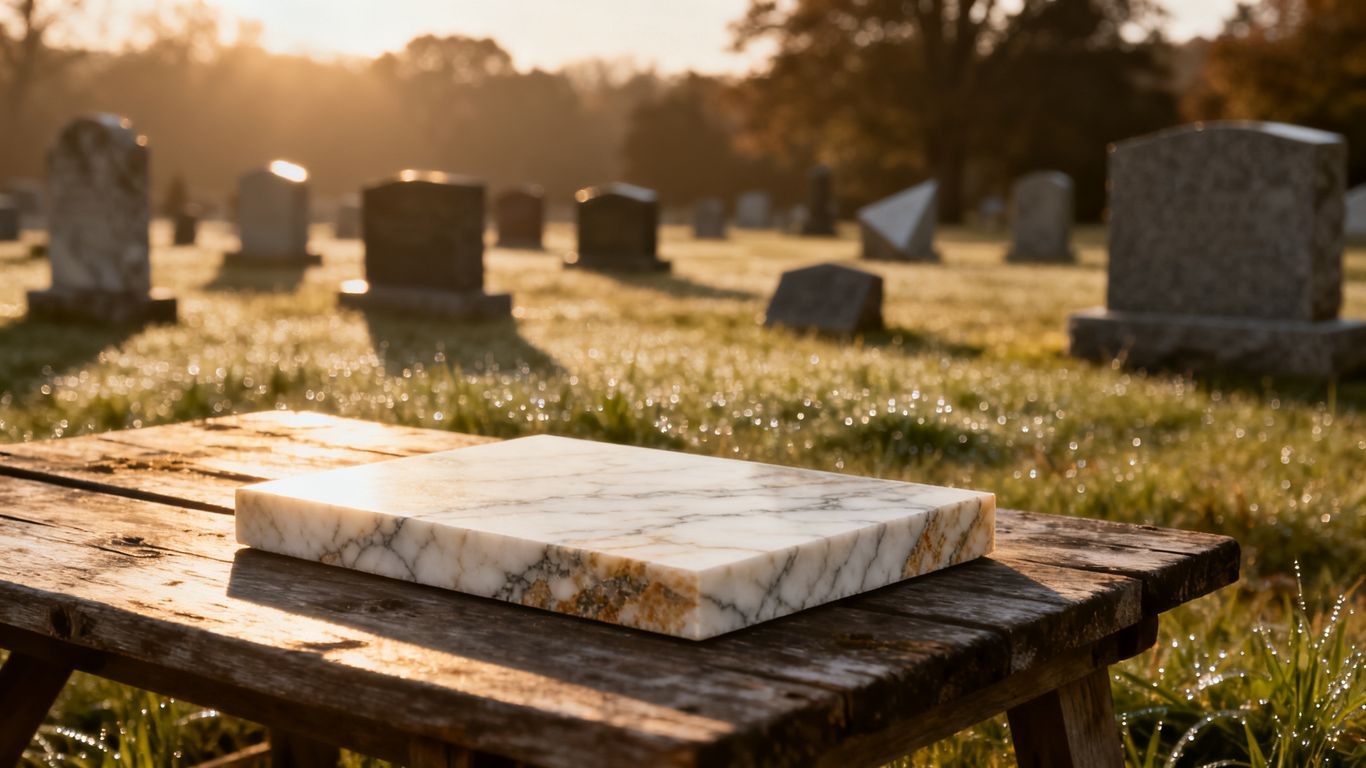
Choosing a granite color involves balancing personal preference with the cemetery setting. Consider the surrounding monuments, inscription contrast, finish, and cemetery requirements before making a selection.
Matching the cemetery environment
Cemeteries often have specific regulations regarding the size, shape, and even the hue of permissible memorials. Some historic grounds prefer muted tones like traditional gray, while others allow for the distinctive look of blue pearl or deeply colored stone.
Personal preference and emotional significance
Selecting a color that resonates with a loved one’s memory is perhaps the most important part of the journey. Families may choose a color associated with the sea, woods, a favorite place, or another meaningful part of the person’s life. Compare currently available granite colors before deciding which option best fits the design.
Budget implications of color selection
Granite pricing is largely driven by the rarity of the quarry and the logistical costs associated with transporting specific stones. While gray and some pinks are often the most economical, rarer multicolor granites can command a higher premium due to limited extraction pools. It is helpful to consider your budget as part of the overall design plan, balancing the aesthetic with the financial realities of your specific memorial project.
Regional availability and quarry sourcing
Availability often depends on which quarries are currently active and their proximity to the finishing facility. Relying on an expert source ensures that you are getting an authentic, high-quality slab that meets industry standards for memorial use.
- Ensure the stone material aligns with local weather-related durability requirements.
- Coordinate the memorial color with the surrounding plot landscape designs.
- Confirm the compatibility of the stone surface with chosen engraving styles.
- Prioritize stones that provide the best clarity for long-term inscription legibility.
Understanding natural granite variations
Natural stone is inherently variable, which is exactly why no two monuments appear identical to one another. Each granite slab represents a specific geological event, capturing the mineral composition of its origin point.
Differences between specific igneous rock types
Granite forms through the slow cooling of magma, though different geographic regions produce varying crystalline densities. Understanding these geological distinctions helps in selecting a stone with the right density and mineral integrity for a permanent outdoor memorial.
Impact of mineral composition on final appearance
Quartz, feldspar, and mica are the primary minerals that determine the hardness and sparkle of your memorial granite. An abundance of mica, for instance, might result in a more reflective surface, while high quartz content often bolsters the structural strength of the rock. These minerals collectively influence not just the color, but the way light interacts with the monument throughout the day.
Consistency in color and grain structure
Industrial grading ensures that the stones used for memorials meet specific structural requirements, even when individual colors vary. While no two pieces are perfectly alike, high-quality granite has a consistent grain structure throughout the slab, which prevents uneven weathering. Reputable stone helps provide a product that is both beautiful and structurally reliable for decades of outdoor exposure.
Why no two granite memorials are identical
Because granite is a natural material, every block brought from the quarry carries unique mineral swirls and tonal shifts. When you choose a specific color palette, you are receiving a one-of-a-kind piece carved by nature over millions of years. This intrinsic uniqueness means that while your memorial shares a color category with others, its specific pattern remains entirely your own.
Durability and maintenance by granite color
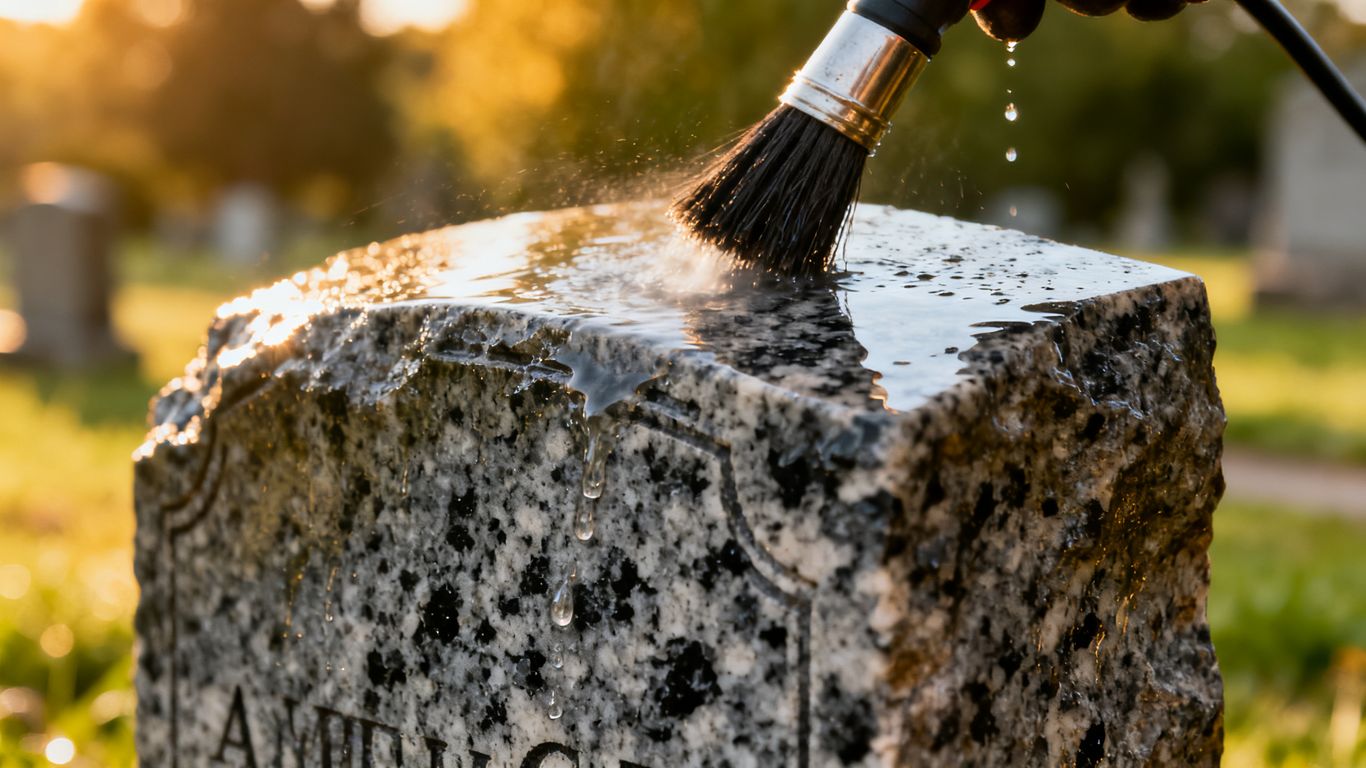
Granite is generally durable, but appearance and maintenance needs can vary by color, finish, environment, and condition. Ask what care is recommended for the specific stone and finish being considered.
Weather resistance across different color profiles
Most granites possess the same inherent hardness, which provides excellent resistance to freezing, thawing, and harsh UV rays. Regardless of the color profile, these stones form stable, durable markers that withstand environmental stressors. Ask whether the selected slab has been inspected for natural flaws that could affect structural performance.
Cleaning requirements for light vs. dark granite
Lighter granites tend to be more forgiving when it comes to subtle environmental staining, while very dark, polished stones may show dust or mineral deposits more prominently. Cleaning simply involves using mild soap and water periodically to remove debris and maintain the finish.
Long-term fading and environmental exposure
High-quality granite is naturally resistant to fading, but like any material exposed to the elements, professional finishing protects it against the test of time. Natural stone does not "fade" in the traditional sense, but years of sun exposure and rain can change how the surface reflects light. Using polished surfaces is a great way to seal the stone and keep its characteristic color vibrancy.
Protecting stone polish and finish over time
Cleaning and maintenance should be appropriate for the stone, finish, lettering, and attached components. Before applying a coating, sealant, or treatment, have the memorial assessed and follow guidance suited to that specific stone.
Customization options for granite monuments
Customization allows you to tailor the stone to reflect the unique spirit of your loved one. Beyond just the choice of color, finishing techniques provide a depth of texture that transforms a standard monument into something truly bespoke.
Selecting finishes that enhance color depth
Polished finishes are the most popular because they darken the stone and bring out the richness of its natural minerals. Alternatively, axed or matte finishes provide a lighter, more tactile surface that feels softer to the touch. Each finish changes how the light strikes the granite, effectively shifting its perceived color throughout the changing seasons.
Contrasting engraving techniques for different stones
Engraving works differently depending on the grain and density of the chosen granite. On lighter stones, deeper V-sunk carving is often preferred for visibility, whereas on dark, polished stones, sandblasting or laser etching creates crisp lines that stand out. Matching the engraving style to the specific properties of the stone is essential to maintaining the long-term legibility of names and dates.
Integrating colored ceramic portraits
Colored ceramic portraits add a poignant, human element to a granite monument. These plaques are designed to be weather-resistant and are durable enough to be mounted safely onto the surface of the granite. By selecting a high-contrast granite color as a base, you can ensure that the photo portrait remains the focal point while the granite frame provides a stable, elegant surround.
Combining multiple colors for artistic effect
Some designs utilize a combination of different granite colors in the base and the monument headpiece itself. This architectural approach creates visual interest and makes the memorial stand out as a distinctive piece of art. Combining colors allows for sophisticated border treatments and pedestals that can anchor, or even elevate, the central monument design.
How granite color affects readability

Readability is paramount when creating a memorial, as the primary goal is ensuring that names, dates, and tributes remain legible. When examining different granite options, you notice that the intersection of light and stone texture dictates how easy it is to read an inscription from a distance.
High-contrast lettering requirements
Darker granite surfaces often require white or light-toned lettering paint to achieve the necessary contrast for readability. Conversely, on light gray granites, the natural shadow created by deep carving usually provides enough contrast. Testing visibility from a few feet away can help ensure that the chosen font size and stone color work well together.
Using laser etching on dark granite surfaces
Laser etching is the gold standard for adding high-level detail to dark, near-black granites. Because the laser removes only a microscopic layer of the stone surface, it leaves a bright, frosted area that stands out against the dark, polished background. This makes it an ideal method for memorializing intricate portraits or complex landscape images on a granite headstone.
Selecting font styles based on stone texture
Stone texture influences how fonts show up; a coarse-grained rock might make fine-line fonts difficult to read, while a fine-grained stone allows for more delicate typefaces. Bold, clean fonts can help when dealing with granites that have active mineral veins or speckled patterns. This simple design choice helps maintain clarity even when ambient lighting conditions change.
Legibility testing in direct sunlight
Direct sun can cause glares on polished stone surfaces, which can momentarily make engravings harder to see. Testing how an inscription looks under harsh glares helps in selecting the right tilt or finish for the monument. By taking steps to ensure clear readability today, you make the memorial accessible to family members for generations to come.
Working with monument dealers
Partnering with a trusted dealer simplifies the technical aspects of designing a memorial, giving you the time to focus on your family. Whether you visit a physical showroom or research options online, the goal is to make the process as gentle and supportive as possible.
Requesting stone samples for physical inspection
Digital images, while helpful, often fail to capture the true depth, sparkle, and weight of real granite. Families are encouraged to handle physical samples of their chosen color if possible. Feeling the texture and observing it in various lighting conditions provides a confidence that a screen cannot emulate, especially when you think back to the significance of the memorial.
Verifying the quality of historical granite quarries
Not all stone is the same, and knowing the heritage and quality of the quarry is important for ensuring the memorial lasts lifetimes. High-quality quarries provide documentation on the density and mineral composition of their stone. This transparency distinguishes reliable materials from those that might degrade or suffer color shifting over long periods of environmental stress.
Asking about installation and delivery timelines
Installation requires careful coordination with cemetery maintenance schedules and local climate factors. Clear communication regarding timelines ensures that the memorial is prepared and delivered at a time that aligns with your family’s plans for commemoration or a dedication service. It is vital to confirm these details early to avoid any unexpected logistical hurdles.
Reviewing warranties on granite material integrity
Ask to review the written warranty before ordering. Confirm what it covers, how long it lasts, who is responsible for service, and whether separate terms apply to the stone, lettering, foundation, delivery, or installation.
Conclusion
Selecting a granite color for a headstone involves balancing appearance, durability, inscription contrast, cemetery requirements, and personal significance. Understanding the characteristics of the available granite can help families choose a fitting memorial.
Frequently Asked Questions
What are the most durable granite colors?
Most granite varieties are inherently durable, though finer-grained, darker stones are often considered among the hardest and most resistant to environmental weathering over long periods.
Does the color of the granite impact its cost?
Yes, color often influences the price because some quarries are rarer or more difficult to access, which adds to the logistical and extraction costs of the specific slabs.
Can any picture be etched onto any granite color?
While many designs can be etched, deep black polished granite provides the highest contrast for detailed portraiture, making it the most popular choice for photo-accurate laser engravings.
Are there regulations about which colors I can use?
Cemeteries frequently have their own internal guidelines concerning monument design and color, so it is necessary to consult with the site manager before finalizing your color choice.
How often should granite headstones be cleaned?
Cleaning every few years with mild soap and water is generally sufficient to remove debris, keep the text legible, and maintain the natural beauty of the granite surface.
Will the color of the granite look the same in the sun?
Polished granite can reflect bright sunlight, which may change the appearance of the color slightly and potentially create glare, which is why font visibility and finish should be considered.
Why do granite stones have different patterns?
These patterns are formed by the distribution of minerals like quartz and mica during the cooling process, ensuring that every piece of granite has a unique, geological fingerprint.