

Can You Replace or Upgrade a Headstone Later?

Key Takeaways Upgrading or replacing a memorial is a deeply personal decision that often helps families find closure and honor their loved ones more accurately. Understanding the logistical, legal, and…

Key Takeaways
Upgrading or replacing a memorial is a deeply personal decision that often helps families find closure and honor their loved ones more accurately. Understanding the logistical, legal, and financial aspects ensures the process is handled with the care and dignity a lasting tribute deserves.
- Modifications can address wear, errors, or the desire to include family members.
- Cemetery rules dictate specific size, material, and design requirements for markers.
- Professional installers ensure the foundation and placement meet local cemetery standards.
- Costs vary significantly based on material, complexity, and site-prep requirements.
- Early planning and clear communication with monument providers lead to the best results.
Common reasons for replacing or upgrading a headstone
Deciding to add to or change a memorial is a significant step for many families. Whether due to the natural passage of time or changing family needs, these adjustments serve to keep a tribute aligned with the memory of the deceased.
Repairing damage from weather or aging
Decades of exposure to wind, rain, and fluctuating temperatures can degrade even the most durable materials. When a granite surface develops cracks or moss growth obscures the engraving, families may opt to restore the stone or replace it with a higher-quality material to ensure it endures for future generations.
Adding family member names to a shared memorial
Often, a headstone is installed with the intention of memorializing a couple or an entire family as time moves forward. When a new family member passes, adding their inscription is a common and meaningful way to keep the shared tribute accurate and complete for all who visit the gravesite.
Improving visual aesthetics and material quality
Sometimes, the initial choice of a marker was made under difficult circumstances or limited budgets that no longer reflect the family’s wishes. Upgrading to a premium, polished granite allows families to select colors and textures that better capture the personality and life of their loved one.
Correcting errors or updating incomplete inscriptions
Inscriptions that contain misspellings or missing dates can be distressing for families who visit the site regularly. Clearing up these errors is a straightforward process that provides peace of mind and ensures that the memorial reflects the facts of a loved one’s life with appropriate precision and care.
Understanding cemetery rules and regulations
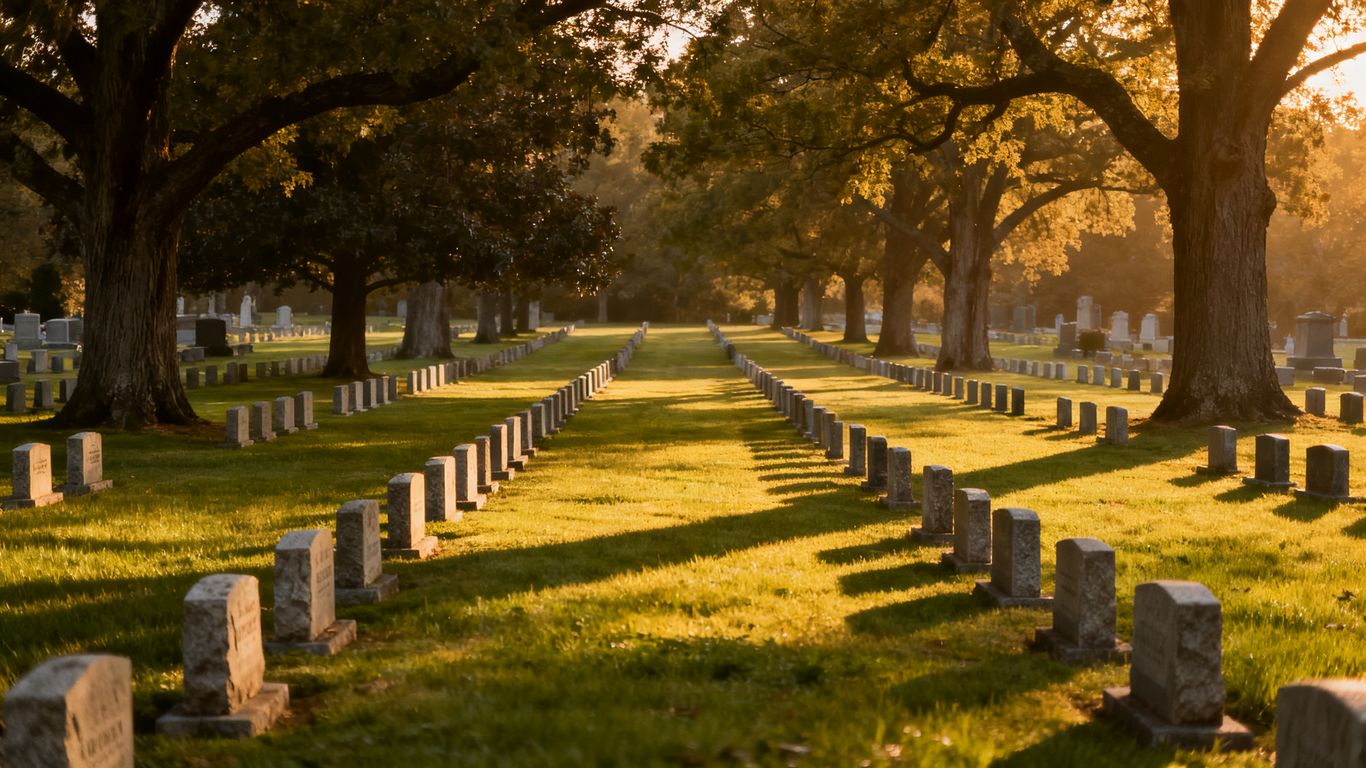
Before modifying or replacing a marker, it is essential to review the specific guidelines set by the cemetery. Every facility maintains its own Deed of Grant and set of bylaws to ensure a consistent appearance across the park, which can impact what you are allowed to install.
Navigating size and material restrictions
Each cemetery sets its own requirements for the dimensions and materials permitted for headstones. Verify those requirements before ordering because a memorial may need modifications to meet the plot’s size or footprint limits.
Following park-wide style and design guidelines
Many burial grounds require markers to align with the existing landscape or aesthetic themes to maintain a serene atmosphere. Some sections might be restricted to flat bronze plates or low-profile granite, limiting your options for elaborate monuments or statues.
Managing mandatory permit and foundation requirements
Cemeteries often mandate that all installation work be performed by authorized personnel to ensure safety and stability. The administrative process typically involves securing a permit, which confirms the legal ownership laws for the site and ensures the memorial complies with the cemetery’s structural protocols.
Coordinating with the cemetery office or sexton
Developing a good relationship with the cemetery office is the first step toward a successful installation. They provide the necessary paperwork and can update you on any hidden fees, such as foundation maintenance, which might otherwise cause delays during the planning stages.
The process of removing and replacing a grave marker
Transitioning to a new marker is a process that requires both professional coordination and patience. Respectful handling of the site ensures that the dignity of the area remains intact throughout the transition.
Assessing the current condition of the foundation
Before a new monument is installed, the ground and the existing concrete base must be inspected for shifts or cracks. A stable foundation is crucial, as it prevents the new, potentially heavier headstone from leaning or sinking over time.
Working with professional monument installation crews
Professional teams are trained to handle heavy stone with precision and care, minimizing disruption to the surrounding burial plots. Choosing an expert installer ensures that the fitting process follows best practices, aligning the stone perfectly with the landscape and ensuring it remains level year-round.
Planning for the removal and respectful disposal of the older stone
When a marker is replaced, the old one must be handled according to local cemetery policies, which often require it to be either removed from the property or repurposed if allowed. Many professionals take care of this logistics, ensuring the old stone is transported in a way that remains respectful at all times.
Scheduling work around cemetery operations and peak hours
Installation crews must work within the specific hours set by the cemetery to avoid conflicts with services or visitor peak times. The following table provides a quick reference for common factors that may influence your project timeline:
| Factor | Impact on Schedule | Key Consideration |
|---|---|---|
| Seasonal Weather | High | Winter may prevent foundation pouring |
| Cemetery Busy Days | Moderate | Avoid holidays and weekends |
| Custom Design Work | High | Extra time for specialized engraving |
Coordinating these windows ensures that your headstone is placed efficiently without disrupting the sanctity of the cemetery environment for other families.
Estimated costs of upgrading a headstone
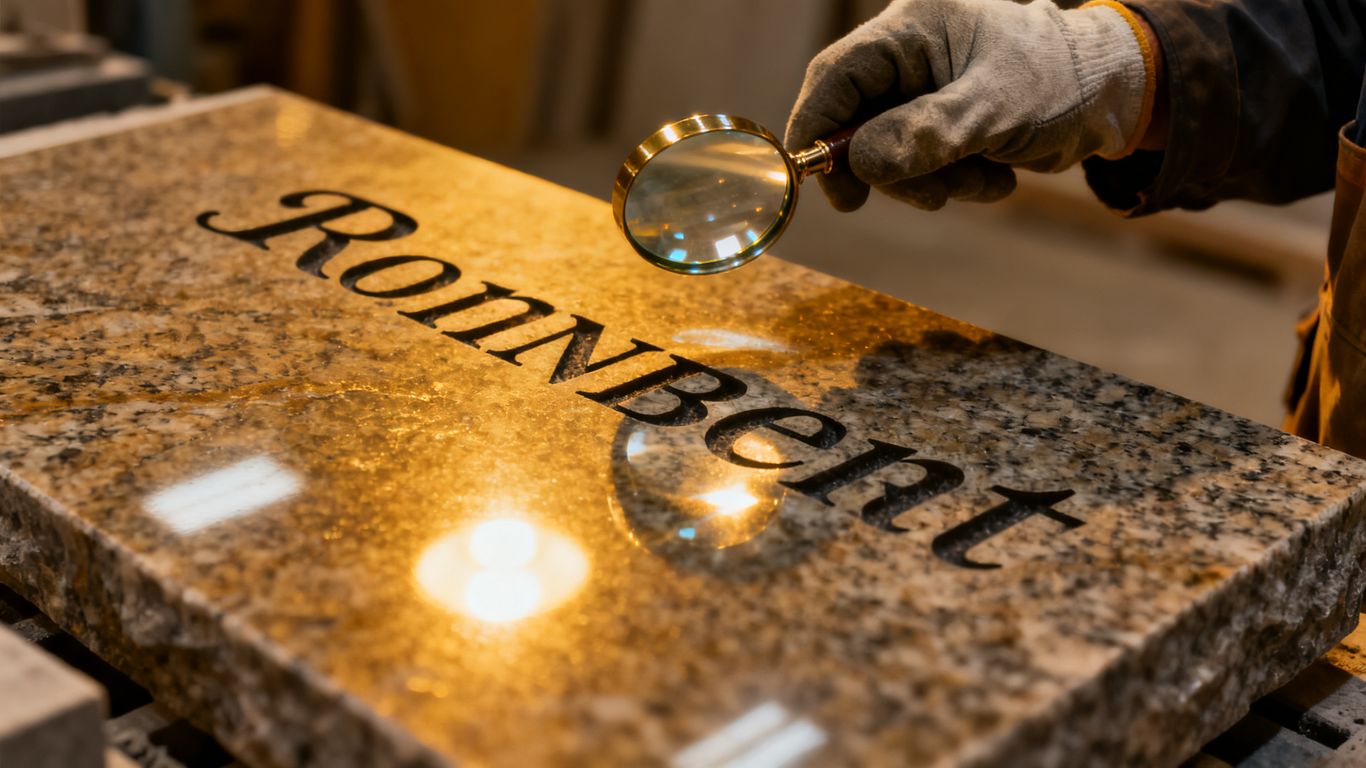
Budgeting for a memorial upgrade involves several areas of expense, from the stone itself to transportation and cemetery installation. Ask for an itemized quote that explains the design, delivery, foundation, installation, and cemetery-related costs.
Budgeting for professional monument fabrication and engraving
The quality of the stone and the complexity of the artistic engraving are the primary determinants of the final price. Whether you are looking for simple lettering or an elaborate etched portrait, consider how the complexity will impact the overall design cost.
factoring in labor costs for removal and site prep
Removing an existing marker is not just a job of moving a heavy object; it involves carefully clearing the site and preparing the earth for a new foundation. These labor costs are often billed as a flat fee or an hourly service depending on the size and complexity of the existing monument.
Managing cemetery-imposed administrative and permit fees
Most cemeteries require a fee for the administrative time spent reviewing permit applications and verifying the legal right to install a new marker. These costs are mandatory and should be included in your initial budget estimate to avoid unexpected burdens later on.
Assessing delivery and installation service charges
Transporting a heavy granite memorial may require specialized freight services. Confirm whether delivery, handling, and installation charges are included in the quote and who is responsible if damage occurs in transit.
When planning, keep in mind these essential aspects of your budget:
- Granite grade and size of the base monument.
- Complexity of the custom inscription and artwork chosen.
- Cemetery permit approval and foundation maintenance fees.
- Professional installation, including disposal of the old setup.
These elements are critical to ensuring the budget remains manageable and the outcome meets your quality expectations.
Choosing the right monument provider for your project
Selecting the right partner for your monument project is about finding a balance between craftsmanship and genuine support. You want a provider that understands the emotional weight behind your request and offers the expertise to execute it flawlessly.
Evaluating the reputation of local memorial companies
Check reviews and ask for references to ensure the company has a track record of reliability. A good provider will demonstrate a clear commitment to their craft and act as a guide throughout the design process.
Requesting portfolios for custom design examples
Seeing past work is the best way to determine if a provider’s style matches your vision for the memorial. Look for examples of work that align with what you want, from simple, classic granite markers to more custom, artistic designs.
Obtaining multiple quotes to compare value and service
It is wise to compare the services offered by different shops. Consider how various companies differentiate their base pricing compared to local retail memorial companies. Transparency in quoting is a strong indicator of a trustworthy business.
Understanding warranties and maintenance guarantees
Before finalizing your choice, ensure that the provider stands by their product with a solid warranty. A quality monument is an investment, and knowing that your provider offers long-term support for their craftsmanship provides significant peace of mind.
Legal considerations and logistical planning
Before moving forward, ensure you have the proper legal authority to make changes to a burial plot. Understanding these requirements prevents delays and ensures that all activities align with the cemetery’s existing agreements.
Identifying ownership rights for the gravesite
In many jurisdictions, the person who purchased the burial plot—or the executor of their estate—holds the right to authorize any changes to the headstone. Verifying this documentation early is essential to avoid any disputes during the installation phase.
Obtaining necessary consent from next of kin
Even if you have the legal right to work on the site, it is often a kind and prudent practice to discuss your plans with other family members. Ensuring everyone is on the same page regarding the memorial design can prevent future misunderstandings or hurt feelings.
Transparency and communication are the foundation of any peaceful restoration project. By keeping the family informed and respecting the cemetery’s regulations, you honor the memory of the individual while protecting the integrity of the sacred space.
Selecting weather-resistant materials for regional climates
Different stone types may respond differently to local humidity, freezing temperatures, and sunlight. Ask a qualified monument specialist which materials are appropriate for the cemetery and local climate, and what maintenance each option may require.
Setting realistic project timelines for production and placement
Creating a long-lasting monument requires patience. From the final design approval to the casting of the foundation, allow for enough time so that no step is rushed. Discussing these timelines upfront ensures that your expectations are met and you stay updated throughout the production process.
Conclusion
Replacing or upgrading a headstone is a thoughtful way to ensure your loved one’s legacy is represented with the love and clarity they deserve. By navigating the cemetery’s rules and working with experienced professionals, you can complete the process with confidence, creating a beautiful and enduring tribute that stands the test of time.
Frequently Asked Questions
Is it common for families to change a headstone years after burial?
Yes, many families decide to upgrade or replace markers later, whether to add a spouse’s name, fix an error, or simply to improve the memorial’s aesthetic as their financial situation stabilizes over time.
Can I install a headstone myself without a professional?
It is generally not recommended to install a headstone yourself; most cemeteries require certified professional installation to ensure the stone is stable, safe, and aligned exactly with their property requirements.
How long does the process of upgrading a memorial typically take?
From initial design and permit approval to final placement, the entire project usually spans several months, as cemeteries often require time for administrative processing and site preparation.
Will the cemetery charge me extra fees to replace an existing marker?
Most cemeteries require permit fees for any changes, and some may also charge for the foundational work if the original base is not suitable for the new, custom-sized stone.
Are there specific materials I should avoid for a monument?
While soft stones like sandstone or limestone lose detail over time, most cemeteries prefer, and sometimes require, durable granite or bronze materials that are capable of enduring regional weather conditions for decades.
What happens to the old headstone once it is replaced?
Cemetery policies vary, but you can typically choose to have the old stone destroyed to prevent improper reuse, or in some cases, you may be permitted to keep it as a private, personal memento.
Do I need to be the owner of the grave to order a new marker?
Strictly speaking, you must have the legal right or explicit permission from the plot owner to perform any modifications, as this ensures that the grave remains managed by individuals with proper authority.