
loader image
Custom Granite Memorials

Granite Headstones & Grave Markers in Los Angeles, CA

Choosing a permanent memorial for a burial space in Los Angeles requires more than selecting a shape from a catalog. The stone must preserve names and dates accurately, reflect the family’s design priorities, satisfy the cemetery’s current specifications and be prepared for safe receiving and placement.
  • Memorial Products Since 1998
  • Granite Craftsmanship
  • Custom Engraving & Artwork
Our Heritage

Granite Memorial Craftsmanship Rooted in Elberton

Interglo Stone has worked with granite memorial products since 1998. The company is based in Elberton, Georgia, a community widely known as the Granite Capital of the World.

Memorial work requires coordination between granite selection, dimensions, thickness, surface finish, lettering, artwork, portrait placement, base configuration, packaging and freight. Each decision can affect the others, so they are best considered together.

Families and memorial professionals can review Interglo Stone’s history and craftsmanship before developing a custom memorial.

Cemetery Planning

Planning a Memorial for Los Angeles Starts With the Exact Cemetery

California cemetery requirements can be property-specific. Los Angeles-area burial grounds range from historic cemeteries to large memorial parks and religious cemeteries. The cemetery’s current written specifications should be treated as the controlling project document rather than assuming one Los Angeles standard applies everywhere.

Do not assume that an older monument nearby proves that the same size, finish, base, accessory or installation method is currently permitted.

Cemetery Specification Checklist

06 Items
  1. 01

    Permitted memorial format

    Upright, flat, bevel, slant, bench, cremation memorial or another configuration.

  2. 02

    Dimensions

    Maximum and minimum dimensions for marker, die, base and complete monument.

  3. 03

    Foundation & setting

    Foundation, setting and installation requirements.

  4. 04

    Material & accessory restrictions

    Restrictions on granite colors, finishes, vases, portraits, statues, emblems or other accessories.

  5. 05

    Approvals

    Design-approval forms, permits and fees.

  6. 06

    Receiving & installers

    Receiving procedures and authorized installers.

How Requirements Shape the Stone
  1. Cemetery written requirements
  2. Permitted format & dimensions
  3. Design, inscription & proof
  4. Final memorial specification
The cemetery’s rules come first; every design choice is then checked against them before permanent work begins.

Why Interglo Stone

Craftsmanship, Proofing and Precise Technique

Memorial Craftsmanship Since 1998

Memorial work combines design accuracy with physical fabrication. Granite selection, dimensions, thickness, surface finish, lettering, artwork, portrait placement, base configuration, packaging and freight can affect one another. Interglo Stone’s experience is rooted in coordinating those details for memorial products.

Proofing Before Permanent Work

Names, dates, spelling, punctuation, epitaphs, scripture, emblems, portraits, artwork and dimensions should be reviewed carefully before permanent engraving or carving proceeds.

The proof is an accuracy checkpoint. For companion and family monuments, it should also reserve intentional space for future names or dates.

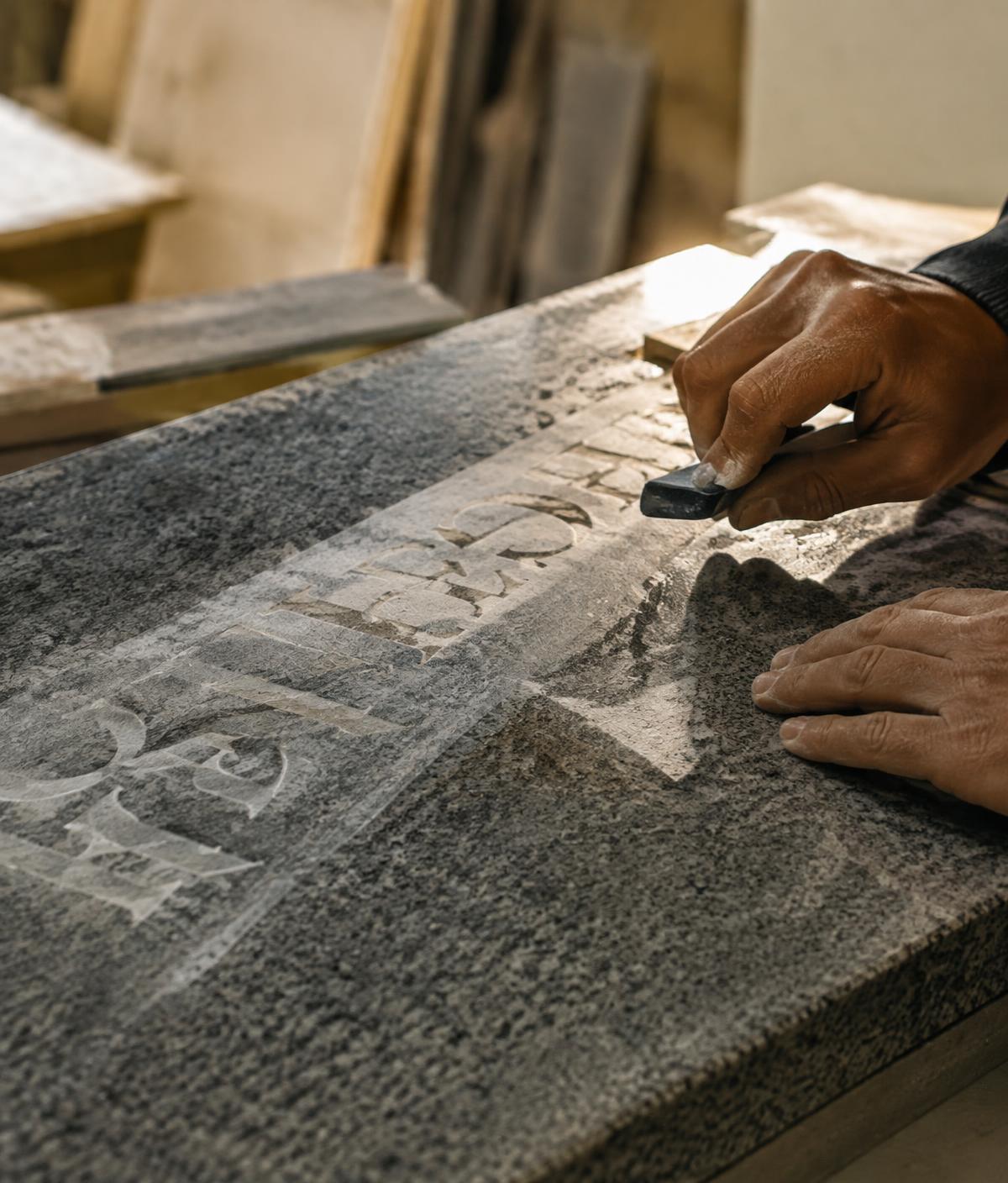
Sandblasting, Etching, Lettering and Portraits

Sandblasting

Commonly used for granite lettering, borders, symbols and carved designs.

Etching

Supports finer imagery such as portraits, landscapes, buildings, hobbies and detailed scenes.

Porcelain Portraits

Another way to incorporate a photographic likeness.

The appropriate method depends on granite color, finish, image detail, inscription area and desired visual effect.

Memorial Collection

Explore Granite Headstones, Grave Markers & Memorials

Each format below can be developed as part of Interglo Stone’s custom headstone and memorial collection, shaped around the cemetery’s written requirements.

A.

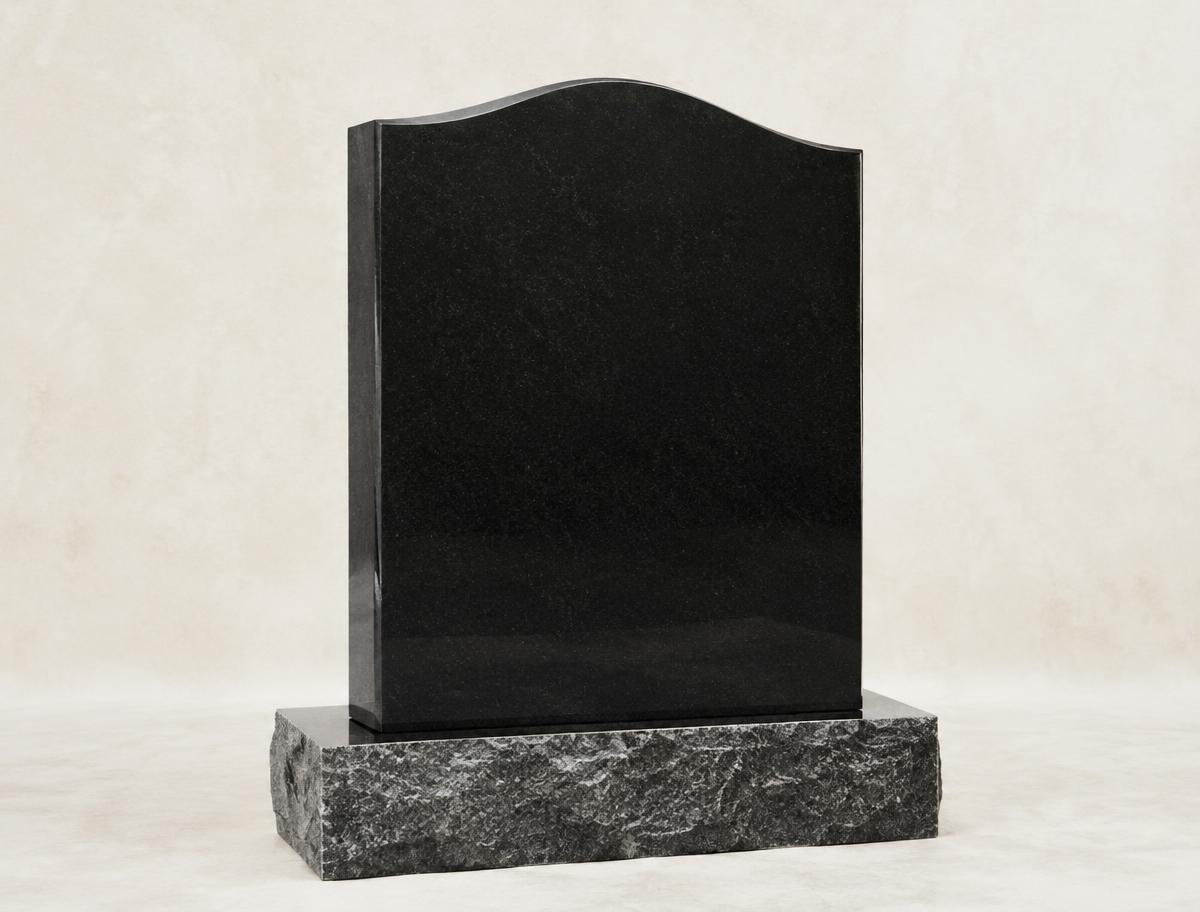
Upright Granite Headstones

Upright monuments provide a prominent inscription field and can support individual, companion, family, religious, artistic or sculptural designs.

Confirm the overall height, die thickness, base dimensions and foundation requirements.
B.

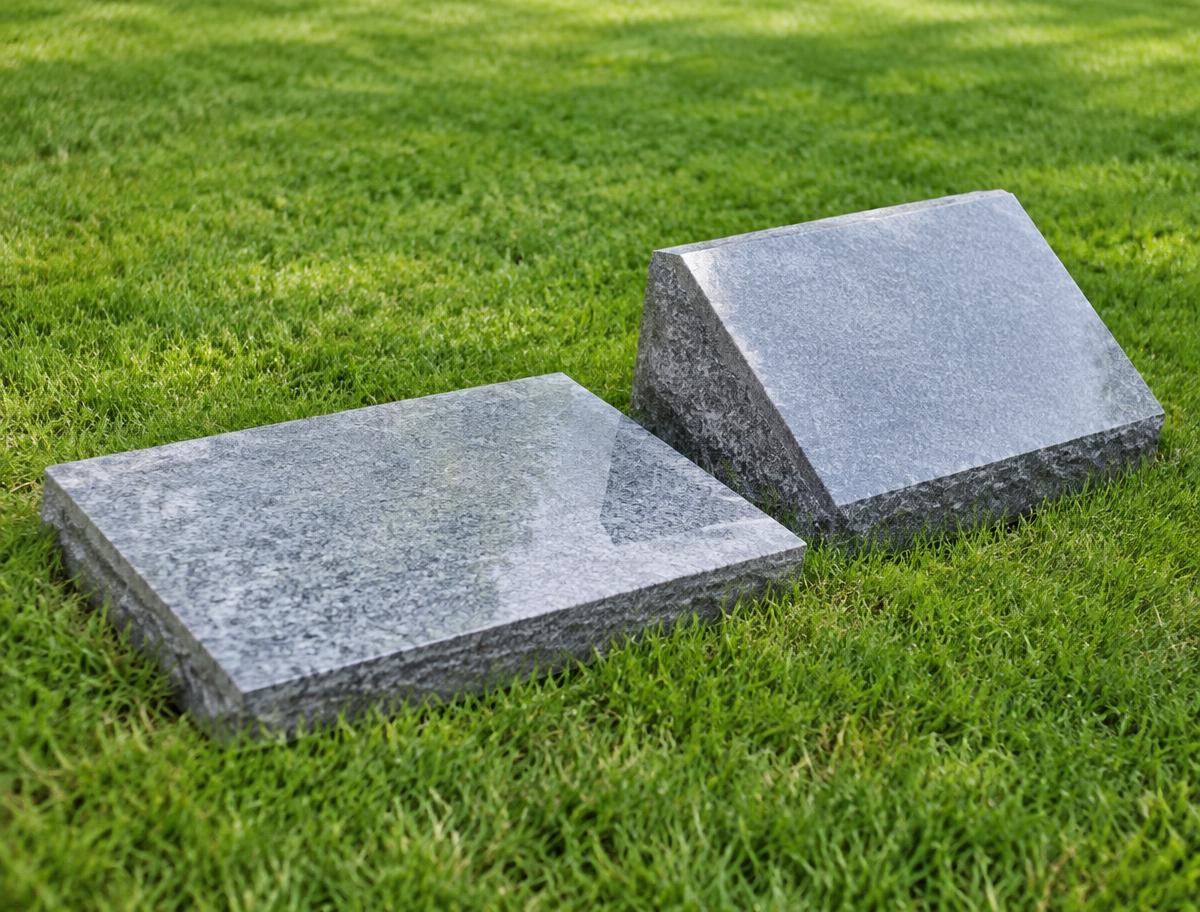
Flat and Bevel Grave Markers

Flat markers maintain a low profile. Bevel markers rise gradually from front to back to create an angled inscription surface.

Both need careful layout so names, dates, epitaphs, symbols and artwork remain readable within a compact area.

C.

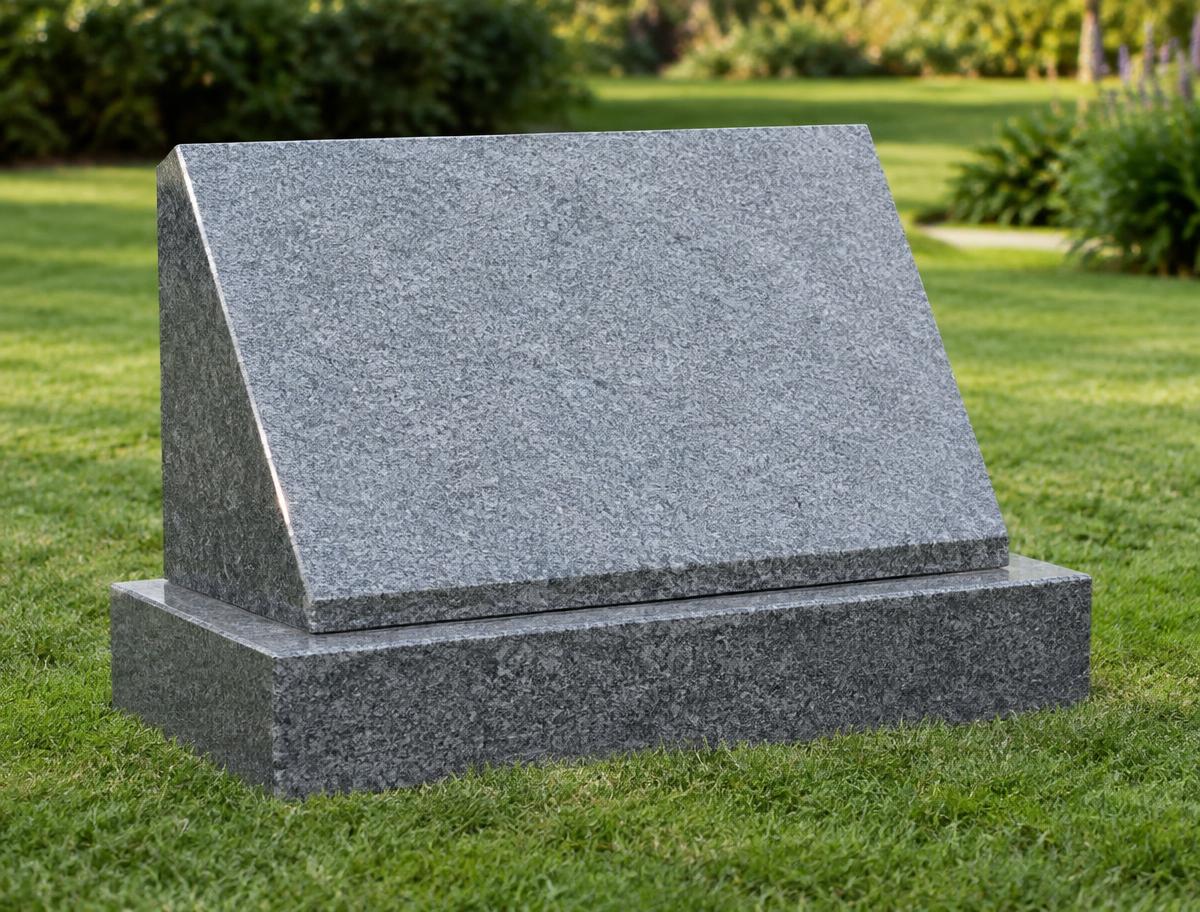
Slant Memorials

Slant memorials provide more vertical visibility than flat or bevel markers without reaching the height of many upright monuments. Base configuration and permitted dimensions must be confirmed with the cemetery.

D.

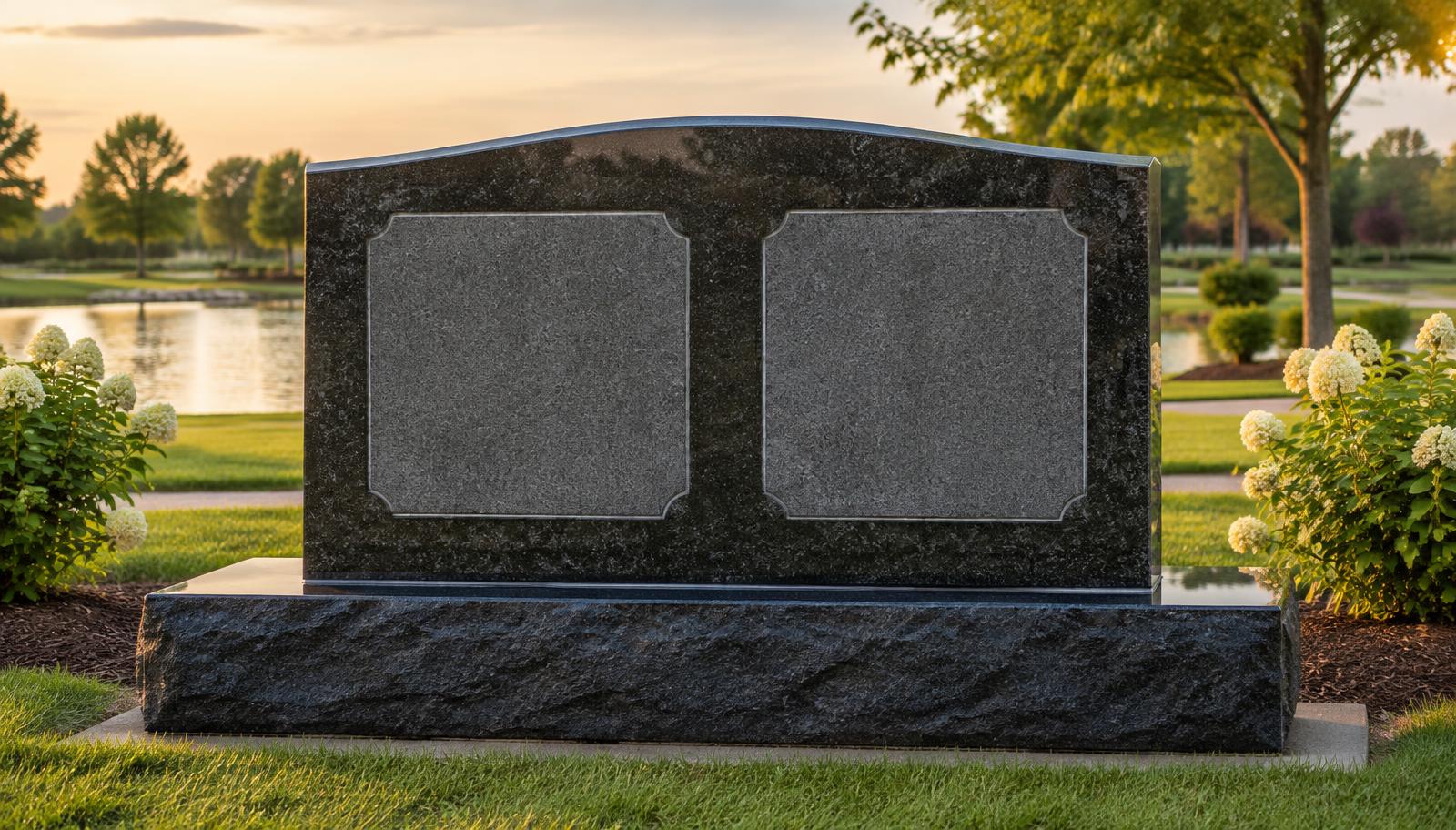
Companion and Family Memorials

Plan present and future inscriptions, shared artwork, portrait placement, plot configuration, future dates and blank inscription space before the first phase is carved.

E.

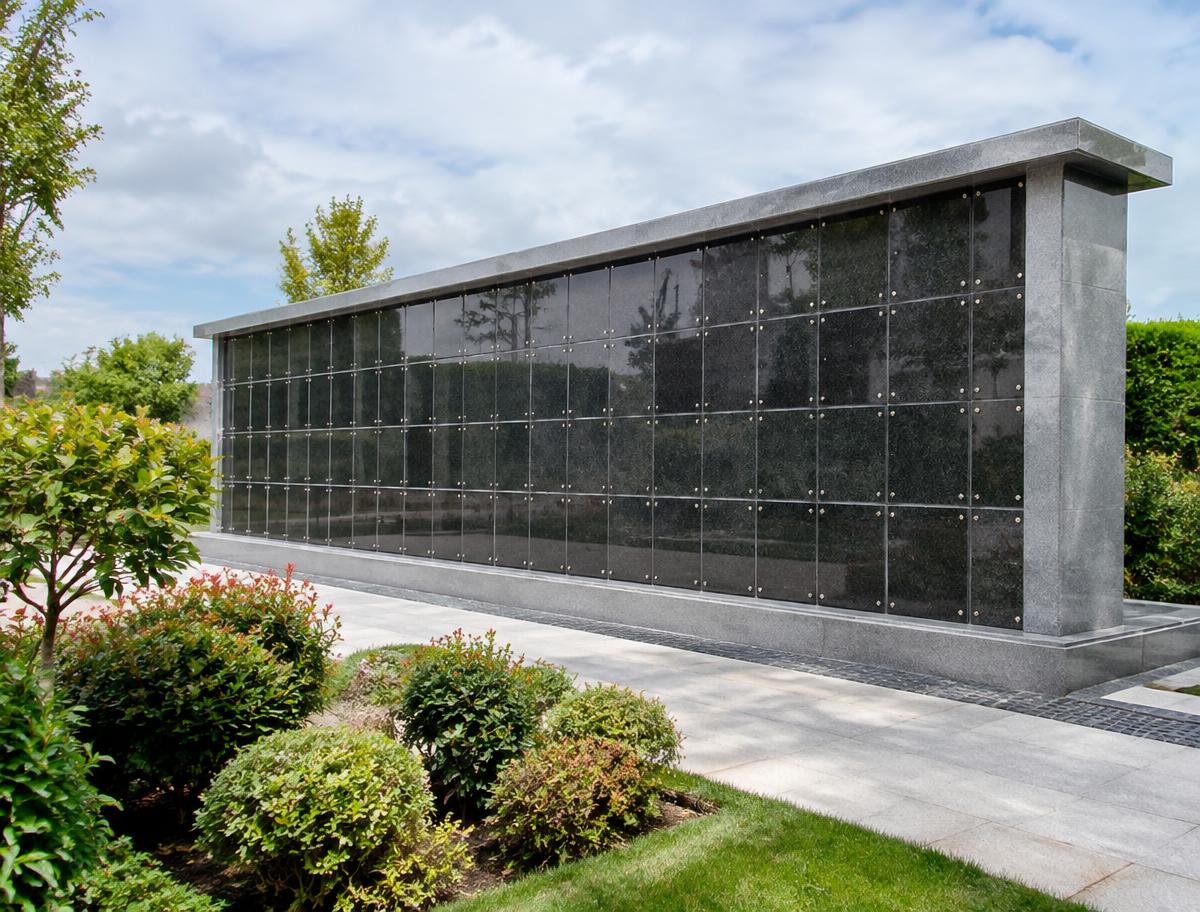
Cremation Memorials and Columbaria

Granite cremation memorials can incorporate niches in headstones, benches, towers, family monuments and columbarium systems.

Niche capacity, urn dimensions, door configuration, footprint, foundation and cemetery approval should be confirmed early.

F.

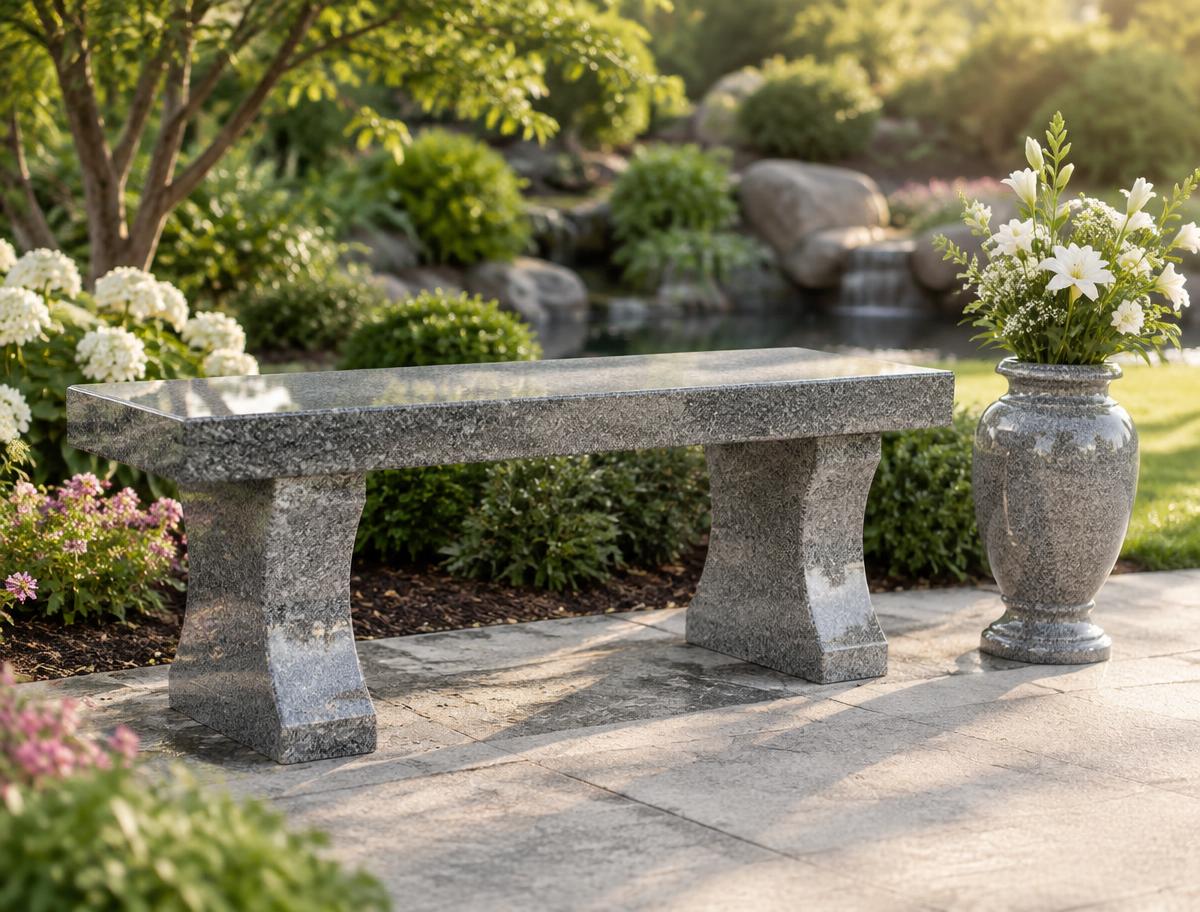
Benches, Vases, Statues and Components

Benches, vases, statues, dies, bases and other components can be coordinated with the primary memorial.

Multi-piece projects should be treated as complete assemblies because weight, dimensions, alignment and foundation needs affect final placement.

Los Angeles Conditions

Designing Granite Memorials for Los Angeles Outdoor Conditions

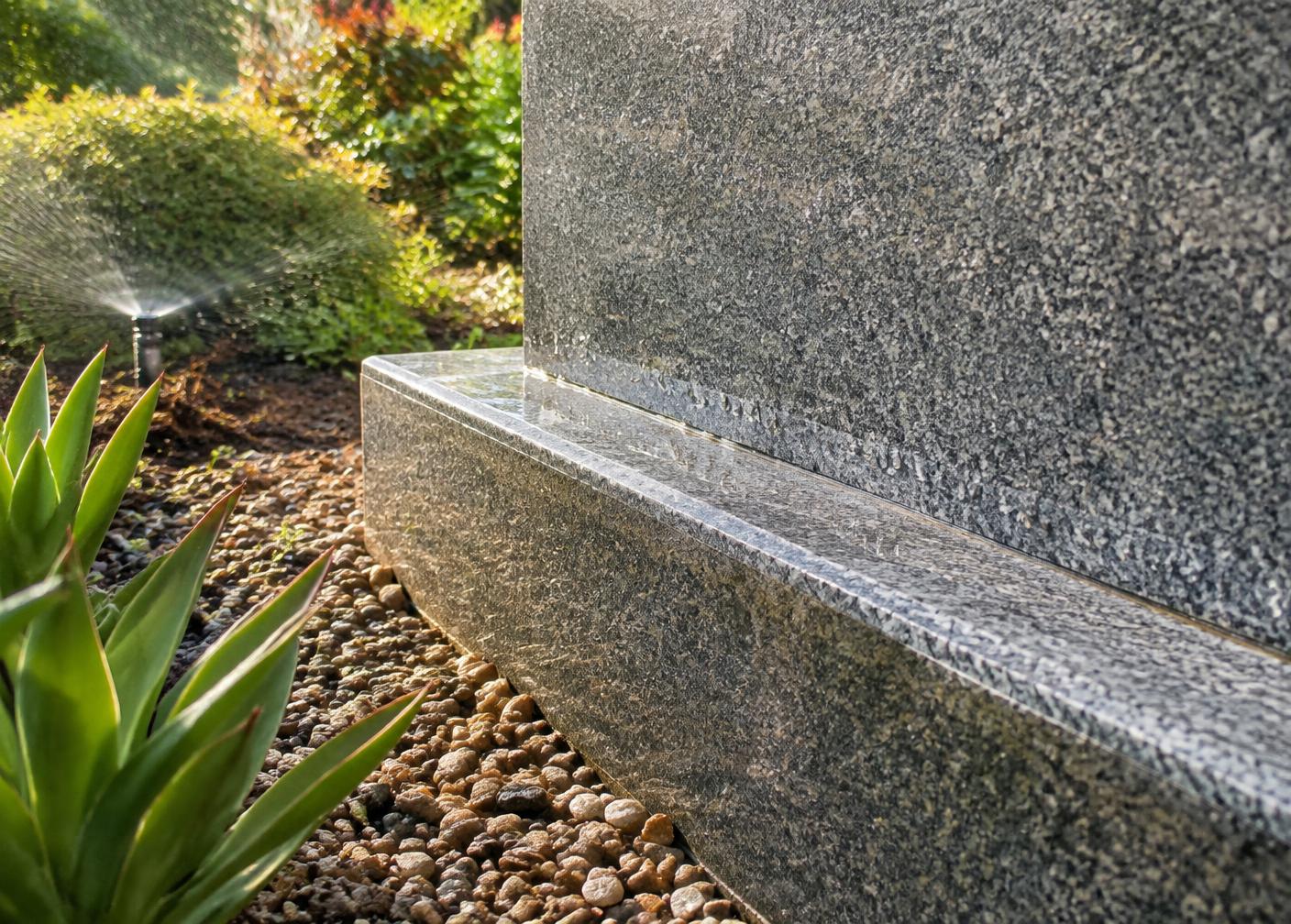
Los Angeles has a generally mild Mediterranean climate, but cemetery memorials remain exposed to:

  • Strong sun
  • Heat
  • Seasonal rain
  • Irrigation
  • Airborne dust
  • Landscaping activity
  • Long-term outdoor weathering
  • These conditions make appropriate stone selection, foundation, setting, drainage and maintenance relevant even without prolonged winter freezing.

    Granite is a long-established outdoor memorial material, but stone is only one part of long-term performance. Foundation design, drainage, base contact, monument proportions, setting method and cemetery maintenance practices also matter.

    There is no one universally best granite; the right choice depends on the project.

    Granite surface and finish

    Choose granite and finish based on design, engraving method, cemetery requirements, availability and desired appearance.

    Base contact and foundation

    Base contact and foundation design influence how a memorial sits and performs over time.

    Drainage and setting

    Drainage and the setting method matter where irrigation and seasonal rain reach the stone.

    Cemetery maintenance environment

    Landscaping activity, irrigation and airborne dust form part of the long-term setting.

    Seven Stages

    From Memorial Idea to Finished Granite

    1. 01

      Step 1: Gather Cemetery Requirements

      Obtain the cemetery name, section, plot information, current monument specifications, foundation rules, approval procedure, receiving requirements and installation responsibility.

    2. 02

      Step 2: Define the Memorial Format

      Choose the general form and identify whether the project requires future lettering, companion inscriptions, cremation capacity, portraits or multiple components.

    3. 03

      Step 3: Select Granite, Dimensions and Finish

      Confirm granite color, thickness, die or marker dimensions, base, surface finish and border treatment. Natural stone can vary in color and pattern, so current availability should be confirmed.

    4. 04

      Step 4: Develop the Inscription and Artwork

      Prepare names, dates, epitaphs, scripture, symbols, emblems, floral work, portraits or other meaningful imagery. Give permanent identification clear visual priority.

    5. 05

      Step 5: Review the Proof

      Check every permanent detail, including spelling, dates, punctuation, dimensions, artwork, portrait placement, granite selection and cemetery requirements.

    6. 06

      Step 6: Fabrication and Finishing

      Production can involve cutting, shaping, polishing or texturing, sandblasting, carving, engraving, etching, portrait preparation, assembly and quality review, depending on the project. Learn more about the granite monument manufacturing process.

    7. 07

      Step 7: Packaging, Freight, Receiving and Placement

      Coordinate the delivery ZIP code, receiving party, freight access, unloading equipment, storage if needed, cemetery approval and the party authorized to set the monument. Delivery does not automatically include cemetery installation.

    Logistics

    Plan Receiving and Placement Before Shipment

    1. 01Granite Production
    2. 02Packaging
    3. 03Freight
    4. 04Receiving
    5. 05Cemetery Placement
    The delivery ZIP code and receiving details should be provided when requesting a quote. A heavy granite memorial needs practical receiving arrangements before shipment.
  • Receiving address
  • Freight access
  • Unloading capability
  • Temporary storage
  • Cemetery approval
  • Foundation
  • Authorized installation responsibility
  • Specification Sheet

    What to Provide for a More Useful Los Angeles Memorial Quote

  • 1Cemetery name, location, section and plot information.
  • 2Current written cemetery monument requirements.
  • 3Preferred memorial type and reference images.
  • 4Required or desired dimensions.
  • 5Granite color and acceptable alternatives.
  • 6Finish preferences.
  • 7Names, dates and exact inscription text.
  • 8Epitaph, scripture, symbols, emblems, artwork or portrait photograph.
  • 9Companion, future-lettering or cremation niche requirements.
  • 10Delivery ZIP code, receiving location, freight access, unloading, storage and installation details.
  • Questions

    Frequently Asked Questions

    Can Interglo Stone create a custom memorial for a Los Angeles cemetery?

    Yes. A custom project can be developed around the cemetery's permitted dimensions, granite selection, finish, monument profile, inscription, artwork, portrait requirements and other specifications. Obtain the cemetery's written rules before final approval.

    Do all cemeteries in the Los Angeles area use the same monument rules?

    No. Requirements can vary by cemetery and by section. Confirm marker type, dimensions, foundation, accessories, approval, receiving and installation rules for the exact burial space.

    What is the difference between sandblasting and etching?

    Sandblasting removes material from the granite surface and is commonly used for lettering, borders, symbols and carved designs. Etching is often selected for finer imagery such as portraits, landscapes, buildings or complex scenes.

    Can a portrait be added to a granite headstone?

    Yes, depending on the design and cemetery rules. Options can include etched imagery or porcelain portraits. The source image, granite color, finish, available space and intended portrait size should be considered during proofing.

    Can a monument be planned for future lettering?

    Yes. Companion and family memorials can reserve space for future names, dates, portraits or epitaphs. Planning that space at the beginning helps preserve visual balance.

    Can cremated remains be incorporated into a granite memorial?

    Yes, subject to cemetery approval and the selected design. Cremation headstones, benches, family memorials, towers and columbaria can incorporate niches. Confirm urn dimensions and required capacity before fabrication.

    What should be arranged before a granite memorial is delivered to Los Angeles?

    Confirm the receiving address, freight access, unloading capability, storage plan if placement is not immediate, cemetery approval, foundation or setting arrangements and the party responsible for installation.

    How long does a custom granite memorial take?

    Timing varies with granite availability, dimensions, design complexity, proof approval, carving, etching, portrait work, number of components, production scheduling, packaging and transportation. Request a project-specific estimate once the specifications are known.

    Begin Your Project

    Begin Planning a Custom Memorial for Los Angeles

    Gather the cemetery specifications, preferred memorial format, dimensions, granite preference, inscription, artwork or portrait ideas and the Los Angeles-area receiving ZIP code.

    Interglo Stone can use those details to evaluate the project from design and stone selection through engraving, finishing, packaging and delivery coordination. Missing cemetery or logistics information should be identified before permanent production begins.

    Request a Quote or Design Consultation
    ↑
    Close Search Window